
HEALTH BLOG
And Other Writings by Dan Purser MD

Your Immune System Needs Some Extra Love Right Now
Give Your Immune System a Break

Long-term immunity is built as the immune system becomes stronger by reacting to bacteria, fungi, parasites, and viruses that pose a threat to our health. By severely restricting our exposure to these microbes by regularly sanitizing our environment, we risk the lack of creating our usual natural immunity to common bacteria and viruses.
Emotions also have a profound impact on our immunity. Loneliness, stress (particularly chronic stress), and depression can lower our resilience to these same microbes. The lifestyle changes, isolation, and financial insecurity of the pandemic have not only affected our daily lives, but they have also impacted our immunity and overall health.
Supporting our natural immunity needs to be at the top of our minds right now as we prepare for the cold and flu season, along with the ongoing threat of viruses. By focusing on what we can control (i.e., being in top physical condition with sharp mental health), we can maintain a strong first line of defense during these challenging times.
Lifestyle Habits that Support a Healthy Immune System
When it comes to strengthening and supporting a healthy immune system, aim for improvement, not perfection. Trying to achieve perfectionism at a time like this will only create more stress, which (as we know) directly and negatively impacts immunity. So be kind to yourself and try one or more of these lifestyle recommendations at a pace that works for you.
1. Practice Hand Hygiene
Continue to regularly wash your hands properly to prevent spreading germs. Regular hand washing with natural soap and water when leaving and entering your home or workplace is a great primary strategy when it comes to protecting yourself and your family from contracting a seasonal illness or Covid-19 infection, and no harsh chemicals are necessary. Hand sanitizer is meant to be your back up, and it shouldn’t replace normal handwashing when available.
2. Practice Mindfulness Meditation
Focusing on the present moment can greatly reduce the stress that threatens immunity. There are many free online resources and guided meditations that can help you get started. A simple practice you can start today is to concentrate on your breath for 5 minutes each day upon waking; this is a form of mindfulness meditation.
3. Get The Sleep You Need
Sleep is paramount to maintaining a healthy immune system, as the body performs many of its maintenance functions during the sleep cycle. Aim to get a minimum of 7 hours of quality sleep each night. We recommend starting the practice of good sleep hygiene by going to bed at the same time every day, avoiding any screen time 1 hour before bed, and sleeping in a cool, dark, quiet room.
4. Stay Active
Regular physical activity greatly helps to reduce stress and increases blood flow. In fact, a 2019 study showed how exercise mobilizes immune cells throughout the body to fight invading pathogens and reduce inflammation. Exercise also helps slow the effects of aging to keep the immune system strong. Aim to get at least 30 minutes of daily, moderate exercise to give your immune system the support it deserves. Going for a walk, a jog, or a bike ride, performing light strength training, or working out with an online fitness video are all great ways to stay active.
5. Stay Hydrated
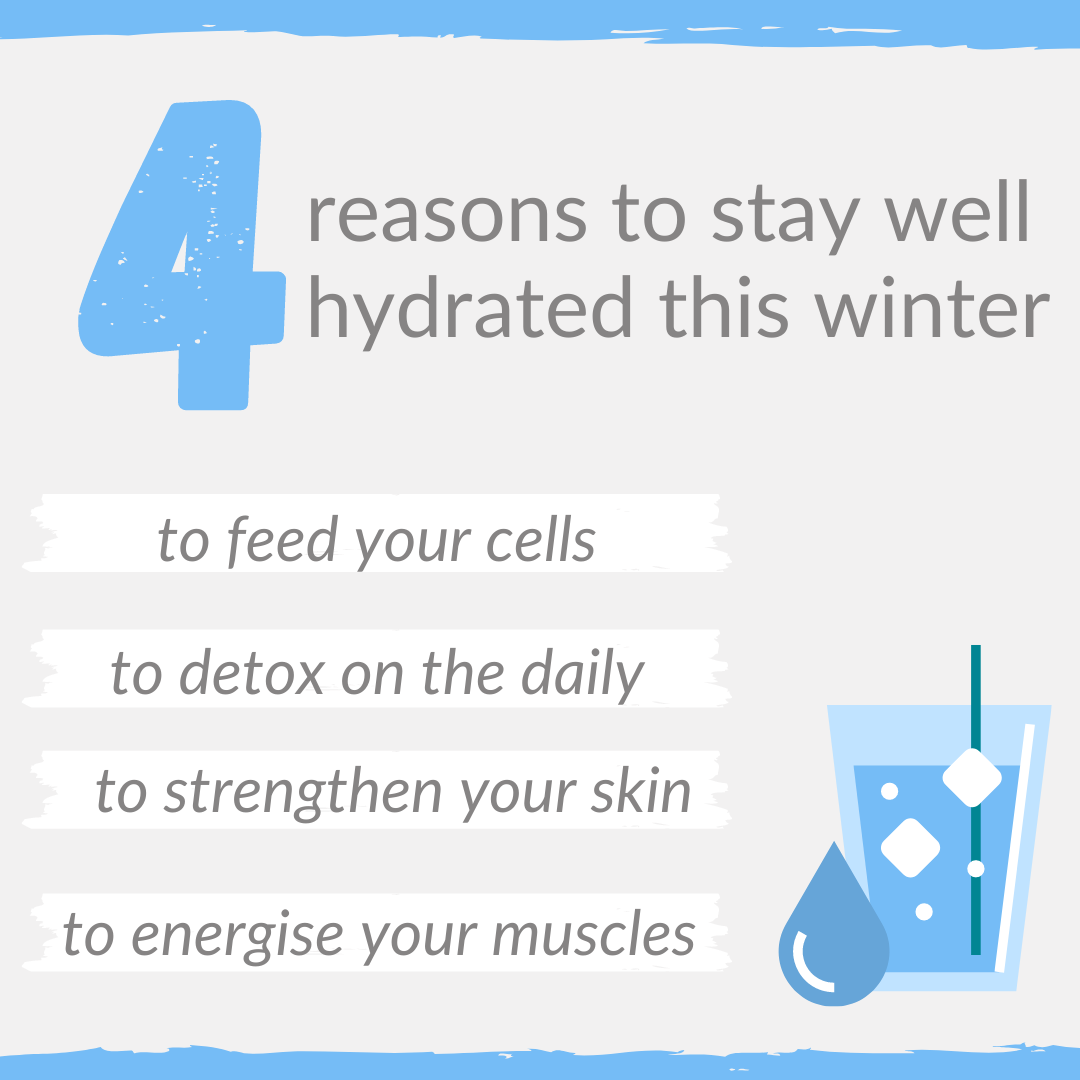
Staying hydrated is extremely beneficial, yet all too often it is overlooked. Water is the vehicle that assists vitamins to move between cells and helps those cells to detoxify while you sleep. Water flushes all the bad stuff out of your lymphatic and urinary systems. Being properly hydrated helps your immune system and strengthens your body’s main germ barrier — your skin, while helping to build strong hair and muscles. Aim to drink at least eight to ten 8-oz glasses of clean, fresh, preferably filtered water every day. If you aren’t a fan of water, then try adding a bit of lemon or lime, or both, which have immune-supportive and detoxifying properties in addition to being quite tasty.
6. Eat Foods that Your Body Needs
Providing our bodies with the vitamins, minerals, and enzymes that our cells need daily helps to keep inflammation at bay and supports our immunity. Eat a wide variety of fruits, vegetables, lean proteins, and whole grains. Eat fermented foods, too, as they are rich in probiotics and enzymes that enhance gut health, which in turn supports healthy immunity. Limit processed foods (or ideally, eliminate them altogether). This includes refined sugar, sulfates, and foods laden with chemical additives and low-quality oils, in addition to avoiding alcohol.
7. Do Something You Love
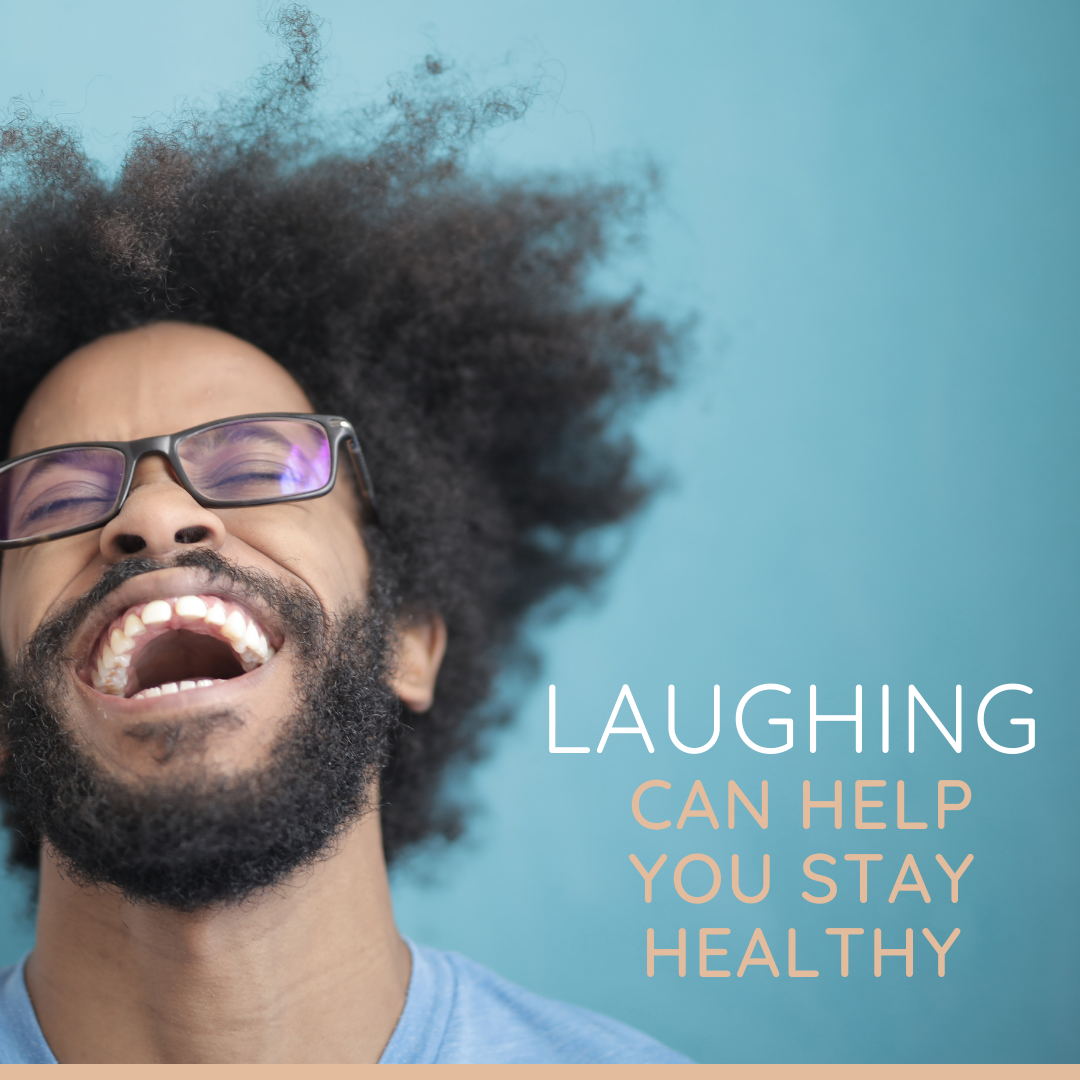
The “new normal” has caused a shift in what our daily lives look like. Added responsibilities have been placed on individuals, as we try to manage the hurdles the pandemic has brought to our lives. Despite this, finding something you love to do, and dedicating time to it every week, or even every day, can help you add more joy to your life. Studies show that smiling can activate the release of neuropeptides that help fight off stress. Making the conscious intent to do something you love and committing to it can greatly reduce stress and release those feel-good immune-supporting endorphins.
Supplements that Support Immune Health
1. Probiotics
Probiotics contribute to healthy gut flora, which is paramount to good health, especially when you consider that 70% of the immune system is housed in the gut, and the mucous membrane of the digestive system is one of the main barriers we have against pathogens. You can directly help to create an environment in your body that soothes inflammation and fights infection for optimal digestive function maintenance by supporting your gut flora and following a healthy diet.
2. Vitamin D
Research has shown that adequate vitamin D levels are crucial to good health. Vitamin D plays many roles in the body. Vitamin D supports the immune system, promotes a healthy inflammatory response, and supports a healthy mood. The prevalence of vitamin D deficiency is known to occur in individuals with autoimmune disease, and more than half of North Americans don’t get enough vitamin D. Extended time indoors, lack of sunlight during the winter, and an imbalanced diet can all contribute to vitamin D deficiencies for which supplementation is highly recommended.
3. Vitamin C
Vitamin C is an essential nutrient, meaning that the body is not able to create it, and it must come from the diet. It is a powerful antioxidant, helping to protect cells from damaging free radicals.
4. Zinc
Zinc is a mineral that plays many roles in supporting immune health and function.
5. Garlic
Garlic is a pungent culinary herb, and its use in supporting the immune system is honored by time and science alike. Although eating garlic every day in the amounts needed to have a noticeable effect on immune health may not be realistic (think nose clip), taking an odorless supplement can be an effective measure.
6. Elderberry
Elderberry, particularly elderberry syrup, is a potent herbal remedy that supports immune function. Elderberry isn’t meant to be taken daily as a supplement. Rather its properties are most supportive when taken only when needed and as soon as possible at the first sign of feeling rundown due to occasional stress.
7. Glutathione
Glutathione is the body’s Master Antioxidant and provides numerous immune system benefits. The main problem with glutathione supplements in general is that they don’t work, that is, they are oxidized and in their dormant state in supplement form. The other issue is that glutathione supplements in powder or drink forms get digested and broken into its three amino acid components. VARS Glutathione from Physician Designed is the only glutathione supplement that provides reduced or active glutathione in a transmucosal way. Get a bottle to have on hand the next time you get sick, or better yet, take it to help avoid getting sick!
You’ve Got This!
Staying on top of immune health is extra important. By being proactive and taking the precautionary measures that help to protect and support your healthy immune system, you can be prepared.
If you are feeling run down and would like to discuss a tailored action plan to help keep your body functioning at its best, give us a call, we can help.
References
1. Aranow C. Vitamin D and the immune system. J Investig Med. 2011;59(6):881-886. doi:10.2310/JIM.0b013e31821b8755.
2. Carr AC, Maggini S. Vitamin C and immune function. Nutrients. 2017;9(11):1211. doi:10.3390/nu9111211.
3. 2020-2021 Flu Season Summary. Centers for Disease Control and Prevention. Updated October 25, 2021. https://www.cdc.gov/flu/season/faq-flu-season-2020-2021.htm. Accessed December 17, 2017.
4. Finlay BB, Amato KR, Azad M, et al. The hygiene hypothesis, the COVID pandemic, and consequences for the human microbiome. [Erratum in: Proc Natl Acad Sci U S A. 2021;118(11):e2102333118]. Proc Natl Acad Sci U S A. 2021;118(6):e2010217118. doi:10.1073/pnas.2010217118.
5. Firth J, Gangwisch JE, Borisini A, Wootton RE, Mayer EA. Food and mood: how do diet and nutrition affect mental wellbeing? [published correction appears in BMJ. 2020; 371:m4269]. BMJ. 2020;369:m2382. doi:10.1136/bmj.m2382.
6. Cole SW, Capitanio JP, Chun K, Arevalo JMG, Ma J, Cacioppo JT. Myeloid. Proc Natl Acad Sci U S A. 2015;112(49):15142-15147. doi:10.1073/pnas.1514249112.
7. The hygiene hypothesis, the COVID pandemic, and consequences for the human microbiome. Proc Natl Acad Sci U S A. 2021;118(6):e2010217118. doi:10.1073/pnas.2010217118.
8. Saper RB, Rash R. Zinc: an essential micronutrient. Am Fam Physician. 2009;79(9):768-772. https://pubmed.ncbi.nlm.nih.gov/20141096/.
9. Seaward BL. Managing Stress: Principles and Strategies for Health and Well-Being. Sudbury, MA: Jones and Bartlett; 2009:258.

How Swimming Can Change Your Life
Melissa shares how swimming has not only changed her life, but the lives of her family members. Learn how swimming can help you feel better and healthier!
Aloha,
One of the most important parts of my healthy lifestyle choices I owe all to my mom. She was a high school swim coach and put me in the water when I was only two weeks old. However, my mom’s example goes far beyond just teaching me to swim.
My grandma suffered from strokes and had a hard time walking. I can remember my mom and aunts would take my grandma to the pool to re-teach her to walk. It helped with her coordination, balance, and posture. They would walk up and down the pool which showed me how water buoyancy not only benefits our health at any age, but also how it can be used to heal various injuries.

Suffering from neuropathy after chemotherapy has been one of my biggest physical struggles. The pain of walking along with stiff muscles, I used the same low-impact workout my grandma as I would swim or walk in the water. From the water buoyancy, the gravity on your bones and muscles are reduced creating less pressure on your body’s injuries and a stress-free workout to relieve pain.
What are the other benefits of swimming?
Elevates heart rate up but relieves impact stress on your body
Builds endurance, muscle strength and cardiovascular fitness
Helps maintain a healthy weight, healthy heart, and lungs
Tones muscles and builds strength
Provides an all-over body workout since majority of muscles are used
Induces a relaxing and peaceful form of exercise
Alleviates stress
Improves coordination, balance, posture, and flexibility
Provides good low-impact therapy for some injuries and conditions
While swimming, your entire body is getting a great workout. Unlike other cardio workouts, swimming use both upper and lower body muscles at the same time. According to a Time article:
“Your body is working hard when you’re in the pool. Water is denser than air, so moving through water puts more external pressure on your limbs than out-of-water training, studies have shown. Even better, that pressure is uniformly distributed. It doesn’t collect in your knees, hips or the other places that bear most of the burden when you exercise with gravity sitting on your shoulders.” (Heid, 2017)
My mom would tell me how she swam every day during her pregnancy with me since it is the best low-impact workout during pregnancy. She always said swimming was what made childbirth and recovery so much easier while making her muscles healthy and strong.
If you don’t feel like you are a strong swimmer, remember to relax and be patient. Practice makes perfect and remember you can always walk or join a water aerobics class. There are many ways to incorporate this great exercise into your lifestyle. Start small and work your way up, you won’t be disappointed with the workout you can get and how amazing you will feel! It's my way to rejuvenate, heal, and get a killer workout!
Keep Smiling,
Melissa

Could Melatonin Help You Sleep Better and Longer?
Is falling asleep a constant battle each night? Do you wake up feeling not completely rested? It may be time to explore natural options to help your body get the rest it needs throughout the night!
Aloha,
Do you have problems falling asleep or staying asleep throughout the night? Did you know our body naturally produces a hormone called melatonin from our pineal gland? This hormone is what helps us sleep every night. Recently, I read a couple articles on the cycle of sleeping and waking. The first article comes from the National Sleep Foundation and they found:
“A key factor in how human sleep is regulated is exposure to light or to darkness. Exposure to light stimulates a nerve pathway from the retina in the eye to an area in the brain called the hypothalamus. There, a special center called the suprachiasmatic nucleus (SCN) initiates signals to other parts of the brain that control hormones, body temperature and other functions that play a role in making us feel sleepy or wide awake.”
They explain around 9pm our bodies start to release melatonin into our bloodstream making us tired. Interestingly, this is generally the time I tend to start getting ready for bed. I highly recommend trying this natural hormone supplement to see if it will fit in your daily program. Sleep is an extremely important part of living a healthy lifestyle according to the US Department of Health and Human Services NIH (National Heart, Lung and Blood Institute):
“Sleep plays a vital role in good health and well-being throughout your life. Getting enough quality sleep at the right times can help protect your mental health, physical health, quality of life, and safety.”
What if our natural melatonin doesn’t function as it should? I am sure you have seen melatonin down the vitamin aisle at stores. What is the appropriate dosage to take? The right dosage will be different for everyone and may take a few attempts to experiment at different levels. However, finding that dosage amount and what time to take melatonin (how much sleep you need for it to wear off) is extremely important.
I discussed with friends their experiences with melatonin, one friend explained 5mg works great while others need 20mg or more. Everybody is different with how much melatonin is released within your body and how much extra you need to supplement to ensure a good night’s rest. Understanding your needs for melatonin can help you fall asleep faster and stay asleep longer.
Keep Smiling,
Melissa

Leading Causes of Death in 2018
Don’t let chronic issues, or even death, happen prematurely! Recent advances in medicine have made it easier than ever to understand how to prevent diseases you may be vulnerable to genetically.
Aloha,
This week I researched the top medical issues of the United States. A few surprised me as over the years many causes repeated several years in a row. I believe knowledge is power and understanding what runs in your family, along with symptoms, may help you find the needed treatment now. Below are ten of the leading causes of death in the United States.
Heart Disease
Cancer
Chronic Lung Disease
Stroke
Alzheimer's
Diabetes
Pneumonia
Kidney Disease
Accidents
Suicide

It was eye opening while compiling this list of how many of these causes could have been addressed with the recent advances in medicine. A great option to learn if you are predisposed to any of these conditions is through a genetic test. Personally, I used 23andMe, but several genetic companies can help you find answers. Your primary care physician doctor can look at the results and discuss preventative treatment. These preventative treatments can help prevent serious health risks and help control symptoms that follow. Along with these preventative measures, regular use of vitamins, exercise, healthy diet, and reduced alcohol consumption can help in avoiding problems.
Now is a great time to start preventative treatments as they align well with New Year’s Resolutions. Have the mindset to live your best life through a healthier lifestyle by resuming your program and meeting with your doctor regularly. It is better to learn more about your body rather than waiting to have a chronic issue emerge. Be sure to look into getting a genetic test performed to understand where you can start your preventative self-care now.
Keep smiling and live your best life!
Melissa

Holidays and Diabetes
Melissa shares how to eat healthier during this holiday season! If you, or a loved one, suffer from diabetes, learn how to keep blood sugar levels stable while enjoying foods with friends and family.
Aloha,
I thought a lot this week about what to write and researched several great topics. However, I kept coming back to the holiday season and all the delicious foods we eat during this time. I know it can be difficult to control eating everything at the office, at home, or the amazing feasts from Thanksgiving to Christmas.
During this time, I try to be mindful of portion control and remember it is fine to sample a little of everything. I also tend to worry about loved ones who suffer from diabetes and wonder how they control their urge to eat sweets during the holiday season.

My father was diagnosed with Type 2 diabetes a few years ago and follows a strict program to keep his sugar levels low to avoid insulin shots. He takes Metformin to help control his sugar cravings, exercises regularly, and watches what he eats. He does a good job following his program by cutting out sodas and avoiding the sweets he used to indulge on.
I visited him to see his progress with his new lifestyle to be healthier and avoid the daily blood checks and insulin shots. I was concerned as the holiday season is when I can go into a sugar coma and I am not diabetic. I asked how he manages to get through this time of year and he responded, “You know it's discipline in watching what you eat and making sure you are exercising.” He loves his cookies, so finding sugar-free cookies, to satisfy his cravings, helped with his weight loss and keeping his sugar levels under control. As for the other holiday dishes, he can have a little of something sweet as long as he doesn’t go overboard.

This conversation with my father made me realize how we can make healthier lifestyle changes by limiting our sugar intake. I started watching the amount of sugar I eat or drink. I gave up my normal Dr. Pepper for a Cherry Coke Zero instead. My new favorite treat is sea salted dark chocolate covered almonds that curb my chocolate craving. Through these changes, I am making choices that will benefit my health, even if they are baby steps!
There are many choices we can make during the holiday season. You do not need to deprive yourself of your favorite holiday treats as long as it is in moderation. Keep to your exercise routine and drink lots of water. Do not make a healthier lifestyle a New Year’s Resolution, but a habit! This year, make your New Year’s Resolution a bucket list item instead!
Keep smiling,
Melissa
Contact us at (801) 796-7667 or info@danpursermd.com for help. Check back often for the newest updates!

Breast Cancer Awareness - Part 2
Melissa Soria introduces two amazing women who chose to have selective mastectomy surgeries. Learn from their journey as they decided to be proactive to reduce their risk of breast cancer!
Aloha,
It was pleasure being able to give you a sneak peak into my story about breast cancer during the Facebook Live Event last month. As promised in my previous blog, this is part two which I am excited to share testimonials of two significant women in my life. Let me share a little background with you.

I was diagnosed at age 30 with stage 3 breast cancer. My mother passed at age 42 of stage 4 breast cancer. Many of my siblings and cousins - at young ages - have had to discuss with spouses this same topic of selective mastectomy, to lower their chances for breast cancer. These women are making life altering decisions with their body at the young age of 18 all the way to 37. Breast cancer has become an inescapable reality in my family. With my diagnoses being the first in my generation, I think it shocked my entire family to wake up to the real possibilities of it happening to more.
I had the opportunity to interview two amazingly strong women in my life that are tremendous examples to me. These two women have never been diagnosed with breast cancer but chose to have preventive (prophylactic) mastectomies. They made the choice to be proactive in decreasing their risks of getting breast cancer while increasing the longevity of their life. They decided to take control of their health and life. As I share their touching story of their thoughts and experience of why they chose this path, I will also share some of my experience of what happens when you are diagnosed and have treatment to go through, as is the goal to be the path to never have to walk down.

Meet my sister Jena, she has been my sister since she was 2 and I was 5. But technically, and to help with any confusion, she is my step-sister with no blood relation. Her mother passed away from breast cancer at the age of 46. She passed away 1 year and 1 month after my mother (Jena’s stepmother). I can’t imagine losing two mother figures 1 year apart at the age of 19. Jena’s mother was positive for the BRCA gene. After thinking about it she decided after having her second child she wanted to know if she carried the BRCA gene or not. She was ready to know what her life would hold, and at the age of 27 her results came back positive and her immediate response to her doctor was “when is the surgery?”. I love how strong my little sister was in her decision making and her strength helped me with my own decision of treatments when I was diagnosed around 6 months after she went through her first surgery. My response to my surgeon was “I want a bilateral mastectomy”, she was thrilled she didn’t need to talk me into such an radical surgery as lumpectomies still have a risk of cancer coming back.
My young sister opting for this surgery as a young mother of a 3 ½ and 1 year old at home had a different experience and perspective of her surgery process. And I hope those of you that may have children at home can relate to her story. With Jena’s experience of losing her own mother at a young age and then testing positive at a young age she told me there was no decision to make, she wanted to see her children grow and be a grandmother, it was just about setting the date for her surgery.

Jena went on to tell me how she didn’t know what she was in for with her surgeries, but no one really can. She said it was “a lot better than expected”. The hardest part was not driving and not being able to pick up her 1 year old son. For her fat grafting she didn’t have enough stomach fat (I offered to donate some of mine!) and had to have lipo in her thighs which was extremely painful during the recovery process, it took 2 months to recover. She also had to go through physical therapy, which is something else I did not have to experience. She informed me she was scared to push herself in recovery and got stiff and needed to improve her range of motion. I’m the opposite and probably push myself too hard too quickly.
Jena’s advice for those that test positive for the BRCA gene is “the sooner you have it (mastectomy) the easier it is… especially before you get older and get cancer.” She goes on to say, “you will have peace of mind, if you get cancer you will have to have the surgery anyways and you get a new set of boobs! It is an easier road to get through than all the cancer treatments and the surgery.”
I asked about her kids and the counsel she will give them since they have the possibility of caring the BRCA gene. She said she has always been an advocate to each their own, everyone reacts differently. All she can do is share her story of how she felt in control of her own body and decisions rather than having to get tested every 6 months. She doesn’t feel like a ticking time bomb, “once you know you can’t unknow … you can come for me and can’t have me”. What a powerful outlook on making the decision to control her own fate as much as she canNext I was able to visit with my aunt, she has been my rock through my entire treatment. We come from a strong background of women who have fought and lost the battle of cancer. My mother, aunt, and great-aunt. So far I am the only survivor. Once I was diagnosed, it became a wake up call to the women in my family. The next generation has now been affected, it didn’t end with my mom and aunt, it showed any of us could be at risk. Fortunately with my family none of us test positive for the BRCA gene. However, COMT seems to be a common factor in our family genetics. This makes it a little more scary as to who could possibly be diagnosed next, as we have no basis to go off on.

My aunt didn’t want to be a walking bomb, she didn’t want breast cancer to control her life. However, she was 49 when she had a breast infection and after seeing three different specialist they all encouraged her to start the process for a mastectomy. She also said she didn’t want me to go through this alone… meaning my treatment and surgeries. I never knew this was one reason she chose to have her mastectomy so quickly. As I am typing this I have tears in my eyes with how much that meant to me. At the time I was living in a different state completely alone, I finished up my treatments and quickly moved to be close to my family. My aunt and I went to the same plastic surgeon for our reconstructive surgery and we both finished our reconstructive surgeries this year. During her mastectomy surgery there was a mass found that did come back benign, this confirmed even more that this was the right decision for her.

I asked about her surgery process, she in turn said the unknown is always frightening… wondering at her age how she would do under anesthesia. But she was desperate to have it done and wasn’t concerned with how she looked. The hardest part was waiting for her infection to clear to be able to start the surgery process, a process that would take multiple surgeries. She mentioned how pleased she was and was so blessed to have minimal suffering. She said the tubes were annoying, and awkward and truly hated them but are critical for draining.
She also mentions she would do it in a heartbeat all over again and is so thankful. Her husband said “how shockingly less fatalistic she was” I can't imagine having that mindset of what could cause fear all the time, to be in the clear and less fatalistic for your family to have comfort that it most likely won’t be cancer that will take you down. My aunt said she was living a life of “when, not if” and she no longer is living her life that way.
Her advice to women that are in a similar situation, “What are you waiting for? Live your life with no regrets, why not when you are a target”. She has said to me on multiple occasions how it was a perk for her to have a breast reduction, she is enjoying her results and they look better than ever. She is also thoroughly enjoying not wearing a bra.

I was told in this interview that I was an inspiration to her for my bravery through my treatment and surgery and it has tremendously impacted her and her daughters. I do know the majority of her daughters, after my diagnoses, are planning to have selective mastectomy surgery because of how real this diagnoses has become within our family. And with us paving the way for other women in our family to follow suit, I hope to see more of all the amazingly strong women in my family live past their 50’s. To take control of their lives and health, just as I wish the same for all of you. Whatever your decision may be, the impact you will make can pave the way for others, your family, loved ones and even strangers. Be the example you wish them to have, just as these two women have done for their families.
Keep smiling,
Melissa
Contact us at (801) 796-7667 or info@danpursermd.com for help. Check back often for the newest updates!

Breast Cancer Awareness - Part 1
Melissa Soria shares her experience fighting breast cancer to bring awareness to proactive measures. Discover how to be proactive in prevention during Breast Cancer Awareness month!
Aloha cherished Friends & Guests,
Breast cancer can turn life upside down and make life a rollercoaster physically, mentally, and emotionally. This topic is close to my heart after losing loved ones to cancer and fighting breast cancer myself. I hope this blog helps promote proactive prevention as many people do not think about cancer until it is too late.

In recent years, vast improvements in treatment save many more lives through new information and evolving ideas. However, too many are still affected by this disease which is why treatment and prevention must continue to improve. I am fortunate to survive my fight with breast cancer, but I have friends and family who fought until the very end. I hope their memory helps us all become more proactive in prevention against this disease.
If you could learn your risk of breast cancer and prevent it, would you? I hope ‘Yes’ is the resounding answer, however, everyone is given their choice. It is scary waiting for the potentially devastating results as life could change dramatically. These results can bring difficult questions to ask and decisions to make. Early prevention can help you avoid these questions and decisions that will affect you and your family.
The Mayo Clinic offers several articles on breast cancer prevention I would recommend researching. Always remember to make the best decision for you and give yourself time to make an informed decision avoiding any hasty choices. One such article breaks down who is considered high risk and preventive (prophylactic) mastectomy is recommended if one or more of the following apply:
Previous cancer detection in one breast
Family history of breast cancer
Positive results of gene testing (e.g. BRCA1 and BRCA2)
Breast changes causing increase risk of cancer (e.g. tissue density, lumps, etc.)
Radiation therapy
While considering surgical options, research how much each type of surgery reduces the chance of breast cancer in the future. These numbers speak volumes and can help gauge your cancer risk. Remember it is nearly impossible to remove all breast tissue since it is found in areas around the chest, armpit, collarbone, and abdominal wall (with slim chances of breast cancer development in these areas). Studies show women who test positive with BRCA1 and BRCA2 mutations and undergo a preventative (prophylactic) mastectomy reduce their chances of developing breast cancer up to 90%. This surgery can reduce an even higher chance among women who have had breast cancer or family history of breast cancer!
Any surgery involves typical risks such as pain, bleeding, and infection. However, anxiety, disappointment, and depression are emotions many women underestimate while considering a mastectomy. I felt these emotions as a 31-year-old when deciding to reduce my natural size by ½ as it took part of my identity away. Every experience is different, and everyone has different ways of coping with these changes.
It has been two years since my mastectomy and it has taken time to heal physically, mentally, and emotionally. I needed to stop looking at myself as defective and unattractive while finding my confidence again and appreciate my ‘new look’ that saved my life. Every six months I must check my blood levels, so I do not need to spend my life questioning ‘What If’ scenarios. Despite these challenges of a mastectomy and follow-ups, I believe my cancer would be back if I decided not to have a mastectomy or be proactive with my health.

While a preventative mastectomy minimizes your chances of breast cancer the best, other options exist as preventative measures. These options include medications, breast cancer screenings, ovary removal surgeries, healthy lifestyles, and diligent doctor visits for testing semi-annually. Always consult your health care provider for the best options available for you.
I am excited to introduce two amazing women in Part 2 of this blog post. Both chose to have selective mastectomy surgeries to take control of their health for themselves and for those they love. Make sure to read their touching journey as they navigated through this difficult process.
Keep Smiling,
Melissa
Contact us at (801) 796-7667 or info@danpursermd.com for help. Check back often for the newest updates!