
HEALTH BLOG
And Other Writings by Dan Purser MD

Improve Your Brain Health to Prevent Cognitive Decline
Keeping Your Brain Healthy
As the world emerges from what was for many a prolonged period of inactivity and stress, it’s not just our bodies that have become soft - our brains are inevitably affected too. Just as Dr. James Levine coined the term “sitting is the new smoking” to describe the increase in heart disease and diabetes that accompanies too much inactivity, 2018 research from the University of California has found that sedentary behavior is also linked to thinning in regions of the brain that are critical to memory formation.

Our Brain is Arguably our Most Valuable Organ
A healthy brain is crucial when it comes to our overall health, wellbeing, and lifestyle. It is the command center for the nervous system and underlies our ability to communicate, remember, solve problems, make decisions, and live a long and full life. A healthy brain helps us with cognition and emotional regulation in the present, in addition to assisting in staving off functional decline as we age.
However, Brain Health is in Decline
An estimated 6.2 million Americans age 65 and older are living with Alzheimer's dementia in 2021. By 2050, the Alzheimer’s Association estimates that number may grow to 12.7 million unless something changes drastically. And while research is still evolving, evidence is strong that people can reduce their risk of cognitive decline by making key lifestyle changes.
We know that exercise helps to improve our physical health, so what does it take to keep our brain healthy, give it a strengthening workout and boost our cognitive skills?
4 Tips for a Healthier Brain
1 - Reduce your Stress
While momentary stress doesn’t present a problem to brain health, continued stress that is endured for long periods of time does. Long-term stress interferes with cognition, memory, attention and contributes to conditions such as anxiety and depression. This is caused by the overstimulation of the amygdala, which regulates our fight or flight response - a normal response to stressful events that is designed to be temporary.
Research has shown us that long term, chronic stress has a shrinking effect on the prefrontal cortex, the area of the brain responsible for memory and learning. It has also established a connection between long-term stress and cognitive decline as we age, including contributing to the likelihood of developing Alzheimer’s disease and dementia - that is on top of the known ill effects of chronic stress on sleep patterns, inflammation and heart health.
Adapt With Stress-Reduction Strategies
Needless to say, while we can’t always control what happens to us, learning stress reduction strategies will help us live happier and better lives, while contributing to our brain health and cognitive function into old age. Here are some key practices:
Mindfulness
Meditation
Qigong
Tai Chi
Yoga
Guided Imagery
Progressive Muscle Relaxation
Journaling
Acupressure
Regular physical activity
Connecting with supportive people
Speaking with a therapist / finding professional help
Doing something you love
Spending time in nature
2 - Eat the Right Foods
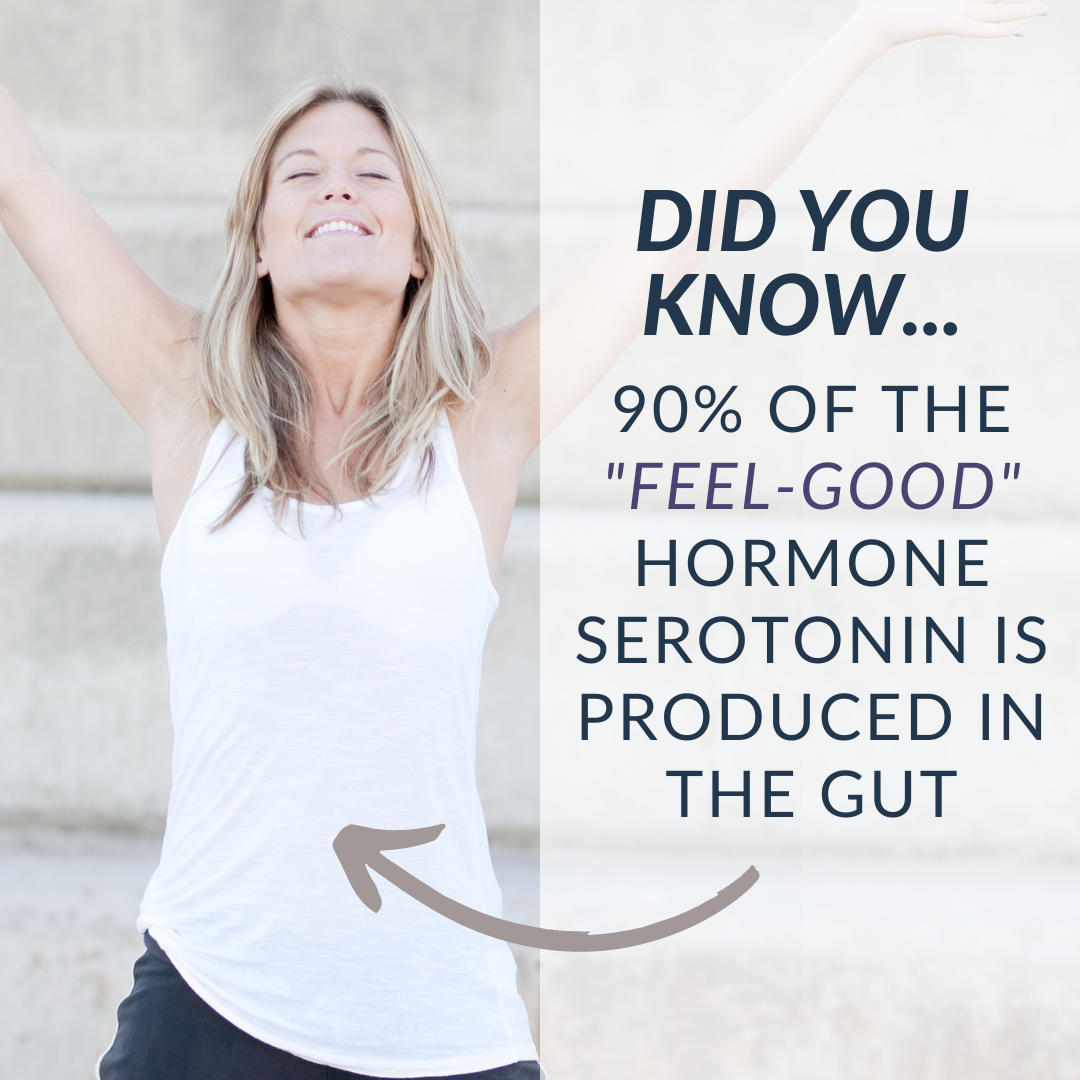
Ninety percent of the body’s serotonin is made by the bacteria in the gut. Serotonin is the main hormone that ensures our moods are balanced and we experience feelings of well-being, calmness, and happiness. Having low levels of serotonin contributes to developing chronic conditions such as anxiety and depression, which can have long-term effects on our brain health. Thus, it’s imperative to keep our serotonin production optimal. This can be achieved by maintaining our microbiome, aka improving our gut health and digestion.
Best Practices for a Healthier Microbiome:
Avoiding packaged and processed foods
Avoiding foods high in refined sugar
Avoiding foods fried in vegetable and canola oil and using a healthier alternative such as olive oil
Avoid alcohol
Drinking plenty of water
Eating a diet rich in an assortment of different coloured fruits and vegetables.
Reducing red meat intake
Eating enough fibre, including whole grains and legumes
Increasing consumption of fermented foods such as kefir, kimchi, sauerkraut, Kombucha, and yogurt
Supplements that Support the Brain
While the diet should be able to support optimal brain health, the truth is that many of us do not consume enough of some nutrients or are not able to absorb as much as we should from our food. The following supplements have been researched for their supportive effects on the brain. Always talk to your healthcare practitioner before taking any nutritional supplement.
Anti-inflammatory herbs such as turmeric (aka curcumin) help to reduce inflammation in the brain
Amino acids such as GABA, which helps calm the brain, reduce mental stress, and facilitate good sleep patterns
A good quality probiotic can help support the gut as it manufactures serotonin
Oils high in omega-3 fatty acids such as fish oil, flaxseed oil or hemp oil help provide the building blocks for healthy brain cells
B vitamins and correct forms of folic acid help in the production of neurotransmitters
Vitamin D is particularly important during the dark winter months. One study found that people with low levels of Vitamin D have twice the risk of developing Alzheimer’s
PQQ and CoQ10 are also excellent for mitochondrial energy production support. PQQ works specifically in the mitochondria in the brain and may even cause mitochondrial biogenesis. Check out PhysicianDesigned.com for Brain Support PQQ+CoQ10.
Glutathione is the master antioxidant and the best detox substance on the planet. VARS Glutathione is the only truly functional glutathione.
3 - Sleep Well and Get Plenty of it
Good sleep hygiene is crucial to maintaining good brain health. On average, you need a minimum of seven hours of uninterrupted, quality sleep per night on a regular basis. If you fail to meet these requirements, over time your brain’s ability to think clearly, regulate your emotions, manage stress, and balance your hormonal function can be impaired.
Fostering Healthy Sleep Habits
Here are our recommendations for healthy practices that promote great sleep - so that you wake up feeling refreshed every morning:
Creating a relaxing bedtime ritual and committing to it (i.e. meditation or a hot shower)
Going to bed at the same time every night
Keeping your bedroom dark, quiet, cool, and comfortable
Limiting screen time before bed / no screen time for at least an hour before your bedtime ritual
Waking up at the same time every day, including on weekends
Avoiding caffeine after 12:00 pm
Avoiding naps
Avoiding late-night meals
4 - Stay Mentally Active
Treat your brain like any other muscle, use it to not lose it. Often life becomes habitual and this affects our cognition. It’s important to regularly challenge your brain and keep it stimulated daily to help prevent cognitive decline and reduce the risk of dementia later in life.
Brain-Stimulating Habits
Here are some activities to consider integrating into your daily practice. Ideally choose more than one and switch up your practice often:

Play strategy games
Do crossword puzzles, word games or Sudoku
Learn a new skill such as a musical instrument or craft
Learn a new language
Read a book
Socialize and have stimulating conversations or friendly debates with a social group
We Can Help
Developing a comprehensive wellness and nutrition plan that contributes to your brain health can be a daunting task. As an Integrative practitioner, together we can create a lifestyle plan that will help support your brain health for years to come. Book an appointment with us/me/our clinic, and together we can move forward.
Call or email us at info@danpursermd.com or 801-796-7667.
God Bless and Go in Good Health,
Dan Purser MD and Team
References
Bernstein, Rebecca. The Mind and Mental Health: How Stress Affects the Brain. Touro University Worldwide. 2016
Bremner JD. Traumatic stress: effects on the brain. Dialogues Clin Neurosci. 2006;8(4):445-461. doi:10.31887/DCNS.2006.8.4/jbremner
Cirelli C, Tononi G. The Sleeping Brain. Cerebrum. 2017;2017:cer-07-17. Published 2017 May 1.
Clapp M, Aurora N, Herrera L, Bhatia M, Wilen E, Wakefield S. Gut microbiota's effect on mental health: The gut-brain axis. Clin Pract. 2017;7(4):987. Published 2017 Sep 15. doi:10.4081/cp.2017.987
Evrensel A, Ceylan ME. The Gut-Brain Axis: The Missing Link in Depression. Clin Psychopharmacol Neurosci. 2015;13(3):239-244. doi:10.9758/cpn.2015.13.3.239
Scott, S.B., Graham-Engeland, J.E., Engeland, C.G. et al. The Effects of Stress on Cognitive Aging, Physiology and Emotion (ESCAPE) Project. BMC Psychiatry 15, 146 (2015). https://doi.org/10.1186/s12888-015-0497-7
Understanding the stress response. Harvard Health Publishing. 2020 https://www.health.harvard.edu/staying-healthy/understanding-the-stress-response
Worley SL. The Extraordinary Importance of Sleep: The Detrimental Effects of Inadequate Sleep on Health and Public Safety Drive an Explosion of Sleep Research. P T. 2018;43(12):758-763.

Finding Natural Remedies
This week Melissa covers natural remedies used for common health problems. Learn how you can stay healthy naturally!
Aloha,
I am amazed by the various natural remedies available to help with countless health problems. The knowledge passed down from generation-to-generation of the power of plants and essential oils is incredible. Many still use these forms of treatment to alleviate health symptoms today along with modern medicine.
I thought it would be great to discover a few of the natural remedies we can use for several symptoms:
Aloe Vera - This natural remedy plant is found everywhere, especially by beaches (conveniently used for sunburns). The gel not only helps with skin irritations, but helps the digestive tract and improves liver, kidney, and gallbladder functions while maintaining healthy tissue.
Apple Cider Vinegar - Have you heard of anyone making a drink or apple cider vinegar in the morning? This can help with weight loss by flushing out toxins, reducing cholesterol, lowering blood sugar levels, and preventing infections.
B-Complex - Vitamin B complex helps with energy levels, cell metabolism, brain function, digestion, muscle tone, healthy appetite, and cardiovascular health.
Bee Pollen – Not only is bee pollen an immune system builder, it is a protein rich in amino acids, vitamins, minerals and enzymes. It can help improve alertness and concentration.
Cayenne - This hot pepper boosts metabolism, reduces hunger, lowers blood pressure, helps digestive tract, and benefits circulatory system.
Chamomile – Historically, chamomile was used for scent and the Egyptians used it to help with fevers. This tea is still used for eczema (or itchy skin), stress, sleep, digestion, immune system, hair, and heart.
Cinnamon Essential Oil - Not only does it smell amazing, it has its own health benefits such as improving respiratory issues, cleansing the body, and assisting with blood circulation, urinary, immune, and metabolic functions.
Cranberry - Cranberry juice can help urinary tract infections as it kills bacteria in the bladder walls and urinary tract. It can also help prevent kidney stones, if used regularly.
Fish Oil - Contains Omega-3 which helps with inflammation and heart disease.
Lavender Essential Oil – Personally, I love using lavender oil for stress, but it can also help with sleep and skin imperfections.
Lemon Essential Oil - Lemons can improve good mood and improve digestive tract.
Peppermint Essential Oil – It is commonly used in gum, toothpaste, mints, and mouthwash because of its antiseptic properties to help with bad breath. It can also help with stomach pains, nausea, and headaches.
Rosemary - Is an herb used for centuries as a fragrance and to fight viruses and bacteria.
Thyme - Can be used to improve digestive tract, respiratory infections, sore throats and coughs.
Wintergreen Essential Oil - A scent you can find at spas for its natural methyl remedy added to medications and balms to alleviate joint pains and sore muscles. This oil produces a soothing, warm sensation when applied.
This is a small list of natural remedies that can improve your health without other medications. We can follow the ways of our ancestors to heal some of our health issues. Be sure to visit with your primary physician regarding other options available. It’s your choice what you put in your body to cure illnesses. I would love to hear of any other remedies you have used in the comments below!
Stay healthy and keep smiling,
Melissa