
HEALTH BLOG
And Other Writings by Dan Purser MD

Testosterone for Vaginal Dryness & Muscle Wasting in Women
Testosterone is an amazing hormone for women. In women, it's produced in the ovaries and helps with vaginal dryness

Testosterone is an amazing hormone for women. In men, testosterone is produced mainly in the testes, and in women, it's produced in the ovaries (when working properly) with a small amount made in the adrenal glands. Testosterone is a hormone found commonly in men and less so in women. Testosterone is a sex hormone that plays an important role in the health of both men and women.
In females, half of the testosterone is produced by the ovaries and adrenal glands. A healthy level of testosterone is also protective against bone disorders such as osteoporosis and HSDD (Hypoactive Sexual Desire Disorder) or low libido in women. Although testosterone is a male sex hormone important for sexual and reproductive development, it does much the same in women. Female testosterone can be increased or decreased depending on the needs of the women.
Menopause is a normal, natural event defined as the final menstrual period and usually confirmed when a woman has missed her periods for 12 consecutive months (in the absence of other obvious causes). Menopause is when the function of the ovaries ceases and she can no longer become pregnant. Hormonal headaches typically stop when menopause is reached and hormone levels are consistently low.

Perimenopause (the time around menopause) is different for each woman but usually, the progesterone levels drop first followed by testosterone levels. Libido drops and dryness of the eyes, mouth, and vagina occur shortly thereafter.
Female muscle strength comes from an ample amount of female testosterone. Muscles can hold up for a while longer but begin to decline and shrink in women.
The only option for replacing testosterone at the age of natural menopause or surgical menopause is a compounded cream (not made by big pharma companies). Oral testosterone, long used by women, increases risk of breast cancer more than 200%. A compounded testosterone lipodermal cream (by a compounding pharmacy) can be applied between thighs and sometimes intravaginally to reduce vaginal dryness, recover the libido, and end HSDD.
Contact us at (801) 796-7667 or info@danpursermd.com for help. Check back often for the newest updates!

The Only Usable Form of Glutathione Is Reduced Glutathione (GSH)!
This will be the first of many articles on glutathione, especially the reduced form is known as GSH – the ideal glutathione is reduced glutathione
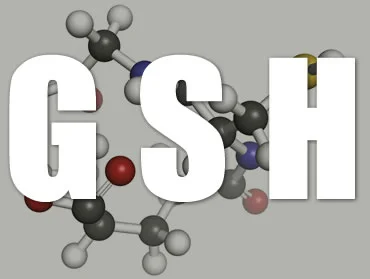
This will be the first of many articles on glutathione, especially the reduced glutathione form known as GSH – the ideal glutathione or GSH product is reduced (GSH), stable, absorbable, efficacious, and patent-able. Glutathione is the body’s master antioxidant.
Our bodies depend on GSH for the removal of toxins and GSH is at the heart of all immune functions. Glutathione is a tripeptide (L-glutamic acid, L-cysteine, and Glycine) that is known as the most prominent nonenzymatic antioxidant in the human body, and is a substrate of a regulatory system of enzymes involved in regulating glutathione metabolism, and while this particular tripeptide is somewhat resistant to hydrolysis, it is still mostly digested in the intestines. In effect, glutathione is an indirect and expensive way to provide dietary L-cysteine. Which is ultimately all that is needed for the benefits of glutathione.
Beyond being an endogenous antioxidant, glutathione is present in the human diet in food products, although the doses consumed in even the most prolific diets is significantly smaller than oral doses of glutathione or its precursor (N-Acetylcysteine) and dietary glutathione does not correlate with overall glutathione activity. Glutathione is not stable in the blood, and whether via oral or intravenous administration, glutathione will be readily degraded into L-cysteine or other sulfur containing molecules. Glutathione is synthesized intracellularly, and while it can be effluxed from a cell it tends to be hydrolyzed to its constituent amino acids to then be taken back up by cells and resynthesized intracellularly into Glutathione.
Glutathione is a tripeptide molecule found in mammalian bodies. According to Mark Hyman, MD, “Glutathione is one of the hottest topics in both natural health and medical circles today.” The reasons for this are not completely understood, but we do know that glutathione is extremely important for maintaining intracellular health. Glutathione is a highly important antioxidant in the human body with no significant promise for a dietary supplement due to rapid digestion. Its metabolite, L-cysteine, can increase glutathione in the body but consuming L-cysteine via glutathione is inefficient and costly. Supplementation of glutathione is thought to support this pool of glutathione in a cell and thus maintain the efficacy of the entire glutathione system.
Reduced Glutathione is at the heart of all immune functions
Low GSH levels are seen in many diseases such as AIDS, advanced diabetes, and cancers. GSH is commonly the most abundant low molecular mass thiol in animal and plant cells. GSH is formed from glutamate, cysteine, and glycine, but it possesses an unusual peptide bond. As a result, GSH is relatively stable in the cell and is cleaved by GGT only at external sides on the membranes of certain cells.

The steady-state level of cellular GSH is provided by the balance between production and consumption, as well as by extrusion from the cell as reduced, oxidized, or bound forms. In addition to detoxification of reactive species and electrophiles such as methylglyoxal, GSH is involved in protein glutathionylation and several other processes, such as the biosynthesis of leukotrienes and prostaglandins, and reduction of ribonucleotides. GSH is extensively used as a co-substrate by glutathione peroxidases (GPx). Although GSH is synthesized in the cytosol, it is distributed to different intracellular organelles where it is used in organelle-specific functions related to its role in the regulation of cellular redox status. The largest amount of cellular GSH is located in mitochondria.
As mentioned above, GSH is synthesized only in the cytosol and is transported into intracellular organelles. GSH is known as a substrate in both conjugation reactions and reduction reactions, catalyzed by glutathione S-transferase enzymes in cytosol, microsomes, and mitochondria. In the case of N-acetyl-p-benzoquinone imine (NAPQI), the reactive cytochrome P450-reactive metabolite formed by paracetamol (acetaminophen), which becomes toxic when GSH is depleted by an overdose of acetaminophen, glutathione is an essential antidote to overdose. GSH is a key cellular antioxidant and plays a major role in the phase 2 metabolic clearance of electrophilic xenobiotics. GSH is an extremely important cell protectant.
Probably most importantly, GSH is responsible for protection against ROS and RNS, and detoxification of endogenous and exogenous toxins of an electrophilic nature. In this respect, GSH is often considered to be a key player of the defense system. Reduced glutathione is assembled from three peptides and is synthesized from cysteine or methionine from food sources. Reduction is a process where oxygen is lost and hydrogen and electrons are gained, so reduced glutathione is missing an oxygen molecule but has an extra donor electron! Reduced glutathione is in the correct form that you would want because it is the "activated form”. Thus their basal ratio of oxidized to reduced glutathione is significantly higher than that of patients who express glucose-6-phosphate dehydrogenase, normally, making them unable to effectively respond to high levels of reactive oxygen species, which cause cell lysis. Reduced glutathione is a novel regulator of vernalization-induced bolting in the rosette plant Eustoma grandiflorum. Reduced glutathione is required for pertussis toxin secretion by Bordetella pertussis.
The cell-specific anti-proliferative effect of reduced glutathione is mediated by gamma-glutamyl transpeptidase-dependent extracellular pro-oxidant reactions. Under conditions of oxidative stress, the liver exports oxidized glutathione into bile in a concentrative fashion, whereas under basal conditions, mainly reduced glutathione is exported into bile and blood. Reduced glutathione is essential for maintaining the normal structure of red blood cells and for keeping hemoglobin in the ferrous state. In healthy human skeletal muscle fibres, the level of reduced glutathione is higher in aerobic type I fibres than in anaerobic type II fibres. Reduced glutathione is not required for measurement of alpha-D-glucosidase in human seminal plasma. Reduced glutathione is nitrosated in aerobic solutions of nitric oxide under physiological conditions; however, the extent of S-nitrosation was found to be dependent on the inorganic anions present. Reduced glutathione is involved in the synthesis and repair of DNA, and enhances the antioxidant activity of vitamin C, the transport of amino acids, and the detoxification of harmful compounds. Reduced glutathione is important for cell health and liver function. Reduced glutathione is an efficient chelator of cuprous copper.
The biosynthesis pathway for glutathione is found in some bacteria, such as cyanobacteria and proteobacteria, but is missing in many other bacteria. Glutathione is not an essential nutrient for most humans (except those with autism or on the ASD spectrum or people with MTHFR), since it can be biosynthesized in the body from the amino acids L-cysteine, L-glutamic acid, and glycine. Glutathione is also needed for the detoxification of methylglyoxal, a toxin produced as a byproduct of metabolism.
In summary, Glutathione, in the form of reduced GSH, is the most potent anti-oxidant in the human body and is the best anti-toxin and antiviral agent we carry and make – kids with ASD or autism cannot make the reduced form, nor can people with MTHFR or who have copper toxicity. So make sure you stock up!
Contact us at (801) 796-7667 or info@danpursermd.com for help. Check back often for the newest updates!

Where Do I Get My Labs - Direct Labs Laboratory Tests
Direct Labs Laboratory Tests - are the only tests I rely on they give me all the relevant information and data I need to solve my patients issues.

I personally use Direct Labs to get my tests. Here is how the process works:
Order online or call (800) 908-0000 to place your test order.
Patient Service Center locations are nearby your home or work.
Most results are received within 24-48 hours and uploaded securely to your account.
More Info on Direct Labs Laboratory Tests
First time customers will create a MyDLS® account. You will be able to access this account with your username and password at any time to view your test orders, sign HIPAA release forms, print your requisition, and view or print your results, all online.
Payment is made by credit card at the time the order is placed with DirectLabs®. We accept all major credit cards. The prices listed are all inclusive and no extra charges within the continental USA.
Once you have placed your order, you will receive an automated confirmation email with an attached receipt.
Within 2–4 hours, we will generate your requisition and upload it to your account during normal business hours. You will receive an email notifying you to log in to your account and print your requisition.
You must be at least 18 years of age to order Quest tests from DirectLabs®.
Orders placed outside of our normal business hours will be processed the next business day.
You must have the requisition form provided by DirectLabs® prior to going to the PSC. If you are unable to print the requisition for your test, please call 1-800-908-0000.
If you bring a requisition to the lab OTHER than the one provided by DLS, you will receive a bill from the lab for which you will be responsible, even if our requisition is meant to replace that one. Bring NO other requisition besides ours.
If you bring your requisition to a lab other than one of our listed patient service centers, you will be responsible for the bill from that lab.
If you would like a copy of your test results sent to your Healthcare Provider, you must log into your account and complete the online HIPAA form.
After an order for wellness blood tests have been processed, you may cancel prior to the blood draw with a refund equal to the price of the test less a $25 cancellation fee, if cancelled within six (6) months from the date of order. There is no cancellation refund after six (6) months.
Services not available in MD, NJ, NY and RI.
Contact us at (801) 796-7667 or info@danpursermd.com for help. Check back often for the newest updates!

GMO vs non-GMO
Do you really know what GMO means? What is the difference between GMO vs Non GMO? I explain GMO in this blog post.

Some people become upset if they believe to be consuming GMO products. But what does GMO actually mean?
GMO stands for “genetically modified organism” which can also be said legally as a “living modified organism” or LMO. Usually this is not a problem, however, when it comes to digestion it can be a big issue for a lot of people. This can cause gut and digestion problems among other issues.
10 Reasons to Avoid GMO vs non-gmo
1. GMOs are unhealthy.
The American Academy of Environmental Medicine (AAEM) urges doctors to prescribe non-GMO diets for all patients. They cite animal studies showing organ damage, gastrointestinal and immune system disorders, accelerated aging, and infertility. Human studies show how genetically modified (GM) food can leave material behind inside us, possibly causing long-term problems. Genes inserted into GM soy, for example, can transfer into the DNA of bacteria living inside us. The toxic insecticide produced by GM corn was found in the blood of pregnant women and their unborn fetuses.
Numerous health problems increased after GMOs were introduced in 1996. The percentage of Americans with three or more chronic illnesses jumped from 7% to 13%. In just nine years food allergies skyrocketed along with disorders such as autism, reproductive disorders, and digestive problems. Although there is not sufficient research to confirm that GMOs are a contributing factor, doctors groups such as the AAEM tell us not to wait before we start protecting ourselves, and especially our children who are most at risk.
The American Public Health Association and American Nurses Association are among many medical groups that condemn the use of GM bovine growth hormone because the milk from treated cows has more of the hormone IGF-1 (insulin-like growth factor 1) linked to cancer.
2. GMOs contaminate forever.
GMOs cross pollinate, and their seeds can travel. It is impossible to fully clean up our contaminated gene pool. Self-propagating GMO pollution will outlast the effects of global warming and nuclear waste. The potential impact is huge, threatening the health of future generations. GMO contamination has also caused economic losses for organic and non-GMO farmers who often struggle to keep their crops pure.
3. GMOs increase herbicide use.
Most GM crops are engineered as ‘herbicide tolerant’. Monsanto, for example, sells Roundup Ready crops, designed to survive applications of their Roundup herbicide.
Between 1996 and 2008, US farmers sprayed an extra 383 million pounds of herbicide on GMOs. Overuse of Roundup results in ‘superweeds’ resistant to the herbicide. This forces farmers to use more toxic herbicides every year. Not only does this create environmental harm, but GM foods also contain higher residues of toxic herbicides. Roundup, for example, is linked with sterility, hormone disruption, birth defects, and cancer.
4. Genetic engineering creates dangerous side effects.
By mixing genes from unrelated species, genetic engineering unleashes a host of unpredictable side effects. Moreover, irrespective of the type of genes that are inserted, the very process of creating a GM plant can result in massive collateral damage that produces new toxins, allergens, carcinogens, and nutritional deficiencies.
5. Government oversight is dangerously lax.
Most of the health and environmental risks of GMOs are ignored by superficial regulations and safety assessments. The reason for this tragedy is largely political. The US Food and Drug Administration (FDA), for example, does not require a single safety study, does not mandate labeling of GMOs, and allows companies to put their GM foods onto the market without notifying the agency. Its justification was the claim lacked information showing that GM foods were substantially different. Secret agency memos, made public by a lawsuit, show an overwhelming consensus ,even among the FDA's scientists, GMOs can create unpredictable, hard-to-detect side effects. They urged long-term safety studies.
6. The biotech industry uses ‘tobacco science’ to claim product safety.
Biotech companies, like Monsanto, affirmed Agent Orange, PCBs, and DDT were safe. The same type of superficial, rigged research is used to try and convince us GMOs are safe. Independent scientists, however, have demonstrated without a doubt how industry-funded research is designed to avoid finding problems and adverse findings.
7. Independent research and reporting are attacked and suppressed.
Scientists who discover problems with GMOs are gagged, fired, threatened, and denied funding. The journal Nature acknowledged a "large block of scientists . . . denigrate research by other legitimate scientists in a knee-jerk, partisan, emotional way that is not helpful in advancing knowledge." Attempts by media to expose problems are also often censored.
8. GMOs harm the environment.
GM crops and their associated herbicides can harm birds, insects, amphibians, marine ecosystems, and soil organisms. They reduce bio-diversity, pollute water resources, and are unsustainable. For example, GM crops are eliminating habitat for monarch butterflies, whose populations are down 50% in the US. Roundup herbicide at very low doses causes birth defects in amphibians, embryonic deaths, endocrine disruptions, and organ damage in animals. GM canola grows wild in North Dakota and California, threatening to pass on its herbicide tolerant genes to nearby weeds.
9. GMOs do not increase yields, and work against feeding a hungry world.
Whereas sustainable non-GMO agricultural methods used in developing countries have conclusively resulted in yield increases of 79% and higher. GMOs do not reflect these same yields on on average. This was evident in the Union of Concerned Scientists' 2009 report Failure to Yield―the definitive study to date on GM crops and yield.
The International Assessment of Agricultural Knowledge, Science, and Technology for Development (IAASTD) report, authored by more than 400 scientists and backed by 58 governments, stated GM crop yields were "highly variable" and in some cases, "yields declined." The report noted, "Assessment of the technology lags behind its development; information is anecdotal and contradictory, and uncertainty about possible benefits and damage is unavoidable." It determined current GMOs do not contribute to the goals of reducing hunger, poverty, malnutrition, and disease. On the contrary, GMOs divert money and resources that could be spent on safer, reliable, and appropriate technologies.
10. Reduce demand for GMOs and increasing overall consumer rejection
GMOs offer no consumer benefits and should be a marketing liability. Even if a small percentage of consumers start rejecting brands containing GMOs, food companies will kick them out. In Europe a high profile GMO safety scandal hit the papers and alerted citizens to the potential dangers in 1999 creating a ‘tipping point’. In the US, a consumer rebellion against GM bovine growth hormone reached a tipping point and kicked the cow drug out of dairy products by Wal-Mart, Starbucks, Dannon, Yoplait, and most of America's dairies.

These are the indirect reasons we do not use GMO products in any of our cosmetic products we manufacture as they are valid. I hope you understand more about GMOs and why it is so bad for our health and society.
Contact us at (801) 796-7667 or info@danpursermd.com for help. Check back often for the newest updates!

GENOVA™ Neopterin Biopterin Urine Profile for MTHFR
Excessive Neopterin NEGATIVELY impacts the Nitric Oxide pathway in the body

This test result is bad and could indicate an infection, especially viral.
This is a great test for those with A1298C and especially who are Homozygous A1298C. Neopterin is bad while biopterin is good. If neopterin is repeatedly high, the BH4 is low.
Neopterin is a sensitive marker of cellular mediated immunity. Reduced levels reflect cellular immunity weakening.
Increased neopterin occur with infectious, inflammatory, immune system dysfunction or neoplastic disease evolution.
Excessive neopterin negatively impacts the Nitric Oxide pathway in the body (e.g. excessive peroxynitrite formation and oxidative stress). Neopterin is a useful index of inflammation response associated with immune system activation.
Tetrahydrobiopterin (BH4) is the cellular protection or antidote to neopterin. It helps to alleviate the oxidative damage caused by neopterin induced immune activation. When BH4 is oxidized by neopterin, it forms biopterin.
If neopterin is constantly increased, then there is a possibility that BH4 levels are inadequate.
“The extent of differential between these two pterins could be considered to be an index of deleterious consequences of cellular inflammation. Decreased biopterin relative to neopterin might suggest inadequate antidote protection capability and increased oxidative damage caused by immune activation (in addition to the original cause of the immune system activation). Too much Oxidized Biopterin (Box) relative to BH4 might suggest an inability to recycle the Box back to BH4 and also inadequate total biopterin to deal with the amount of neopterin.”
This would mean the person needs BH4 (Kuvan™ or TetraHyrdoBiopterin) to reduce the neopterin levels. I usually start this at 2.5 mg daily, then slowly go up. BH4 can significantly improve mood and help with depression, anxiety, and insomnia for these patients.
Contact us at (801) 796-7667 or info@danpursermd.com for help. Check back often for the newest updates!