
HEALTH BLOG
And Other Writings by Dan Purser MD
Thyroid Pearls & Tips
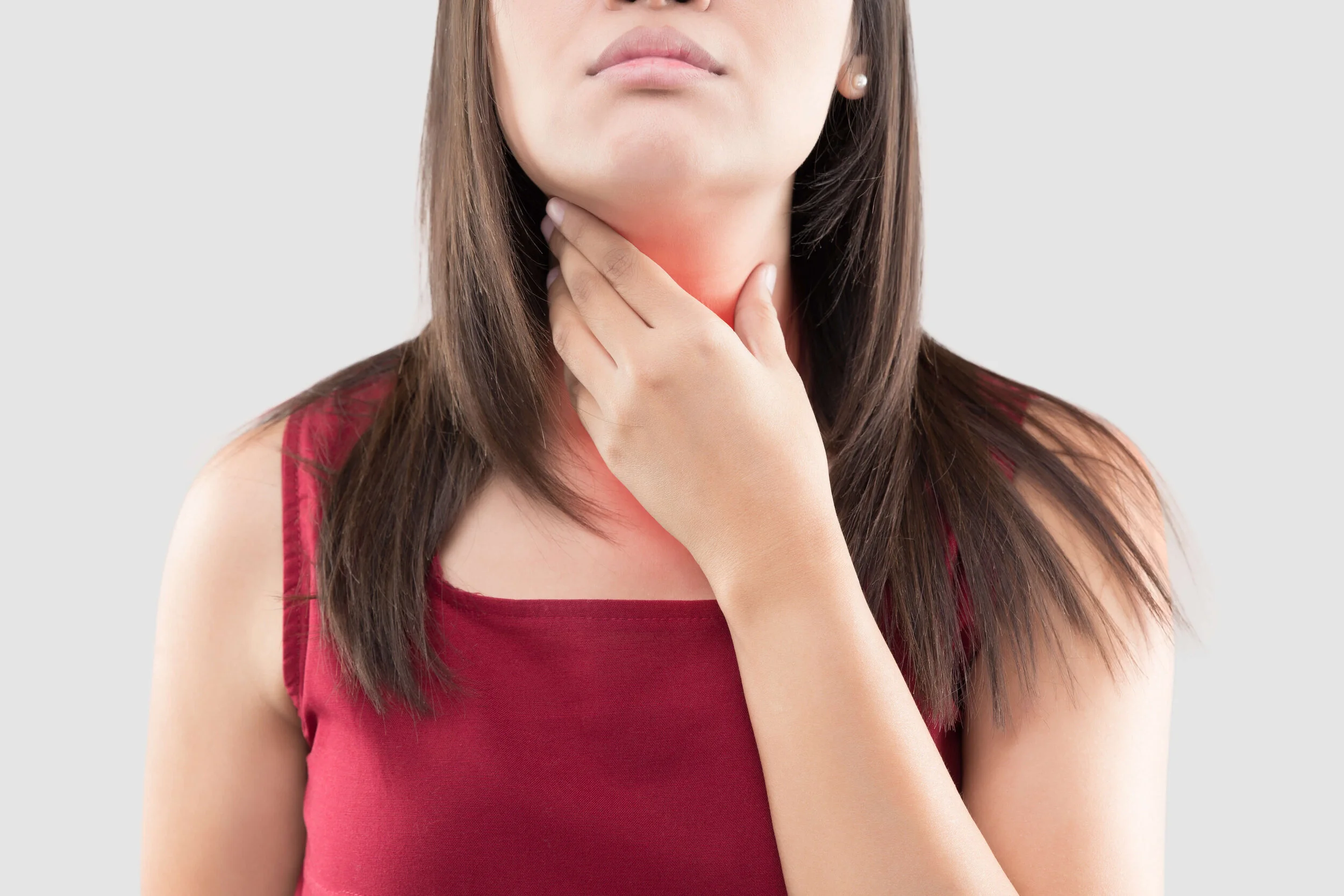
Dr. Purser gives valuable insight to improve thyroid function. Learn how to reduce common symptoms associated with hypothyroidism!
Wow I see all this almost every day in my office -- same exact thyroid related medical issues/complaints. After ten years of endocrinology research and 33 years in practice, I've concluded that a lot of my fellow doctors weren't really taught the nuances of thyroid care. Those include how patients need levels optimized, or how to really listen to patient's symptoms (and treat accordingly), and which labs to get at what time. So, I always tell patients to believe their ‘lying eyes’ (their symptoms are real), and not always the lab results (which can be inaccurate or not interpreted correctly). If you have a good medical clinician, your symptoms of hypothyroidism are more important than the lab results.
It is very complicated but let me make it simpler. If your hands and feet are ice cold, you are probably NOT on enough thyroid medication. It is almost NEVER Raynaud's phenomenon, but is undiagnosed hypothyroidism and/or under-treated hypothyroidism. Download my thyroid book Out of The Deep Freeze: No More Cold Hand, Cold Feet now ($0.99 on Kindle) and start with that. Even at the most basic level what looks like hypothyroidism is not always hypothyroidism but could be a zinc, selenium, and/or B12 deficiency.
Why do doctors check the Free T4 (FT4) instead of the active part of the thyroid, the Free T3 (FT3)? It depends how these doctors are educated in medical school/residency. In the 1970s, Knoll Pharmaceutical developed Synthroid (synthetic T4) and ‘captured’ the endocrinologists in the medical schools who still believe in this concept today only using Synthroid. Heaven forbid they use ‘animal thyroid’ (as they derisively call Armour or Nature Thyroid).

Neither you nor I know what is happening with your thyroid, unless you know your FT3 lab result. Ideally, you want a normal FT4 and a FT3 that is optimized up to near the top of the normal range at 4.1 pmol/L. Being at the bottom of the range guarantees misery (cold hands. cold feet, weight gain, sluggishness, hair loss, etc.). FT3 is where it counts!
Thyroid resistance is just as real as insulin resistance and you need a lot more thyroid hormone to treat. I often see it in thyroid cancer survivors who need more thyroid than normal. If you have Grave’s disease or thyroid resistance, make sure you are taking extra CoQ10 (i.e. ubiquinol). I suggest Qunol 200-300mg a day since hyperthyroidism blows through your CoQ10 causing fatigue and brain fog.
Suffering from Hasimoto’s disease requires a higher dose of thyroid to get optimal results. If you are a fan of Thyromin from Young Living Essential Oils, the max dose you should take is five at night before bed and three in the morning upon arising. I've seen this insight work many times with my patients.
Contact us at (801) 796-7667 or info@danpursermd.com for help. Check back often for the newest updates!

Ending Fibromyalgia with Natural Options
Do you suffer from painful fibromyalgia symptoms? Explore solutions with Melissa as she shares her struggles with fibromyalgia and start feeling better today!
Aloha,
I feel it is important for us to take a moment and recognize how amazing our bodies are when they function at full capacity. Unfortunately, our bodies are not perfect and I feel it is worst when we know something is wrong and cannot do anything about it. In previous blog posts, I have talked about copper toxicity and fibromyalgia, however, I wanted to share my own experience on this topic.

A few weeks ago I had terrible bone pain, so I went into my oncologist for scans to determine what it could possibly be. In my mind, I thought cancer had returned and began preparing for this reality. As each scan returned one by one, every one was was negative only showing arthritis and a bulging lumbar (which I knew about for many years). I think I was in complete shock that no hidden issues were found! Fortunately, I made plans for the worst, but hoping for the best. It was such a relief to have these clear results. But my question then became, what was causing this amount of pain?
After talking with my aunt (since she experienced similar pain), I learned I may have too much copper in my body resulting in copper toxicity. Generally, copper toxicity causes fibromyalgia flare-ups so I started to take Copper Balance along with VARS Glutathione. During the first few days, I felt so much better as the pain became barely an ache and later was completely gone. After such a great improvement in a few days, I now understand my body is very sensitive to foods high in copper (basically my entire diet).
Fibromyalgia is a widespread illness that can be improved and controlled with diet. For this reason, a Facebook group ‘End Fibromyalgia with Natural Options’ (Private Group & Open Group) is being launched to help those who experience struggle with fibromyalgia. On these pages, there will be recipes to choose from, support groups to interact with, and communities to share ideas.
I hope my story, along with these new Facebook Groups, will help you find answers and support to ease the pain you face on a daily basis. I applaud you for not allowing fibromyalgia to to control your life and always remember someone is there to help live a happier life!
Keep going, you got this!
Melissa
What Exactly is Biotin?
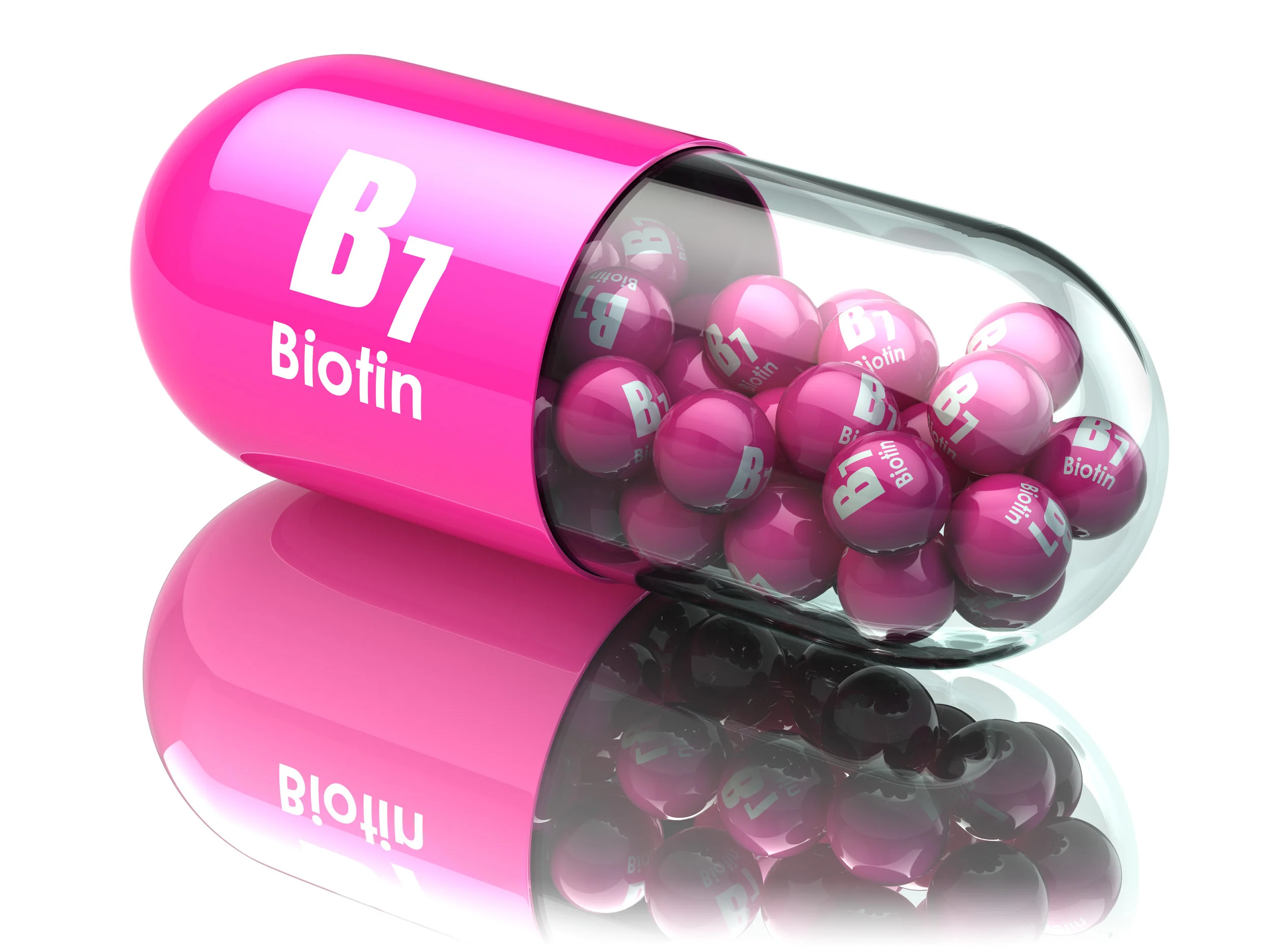
You may think biotin is just for hair and nails. Discover the vast number of benefits from this incredible vitamin with Melissa!
Aloha,
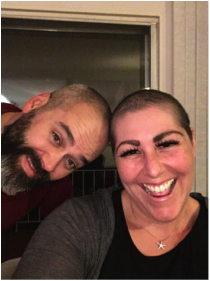
Have you wanted your hair or nails to grow faster and thicker than they naturally do? As my hair grew back after chemotherapy I was extremely impatient. I bought biotin pills to take every day and my hair has actually grown in faster and thicker than before. A picture is worth a thousand words, so here are pictures starting in June 2016 to April 2019 with how much my hair has grown with the help of biotin.





I was reading Dr. Purser’s new book Vitamin Deficiency Symptoms & Cures he wrote with Jared Larkin about the benefits of vitamins. I came across biotin and there are even more benefits than I realized! Here are a few of the new benefits I learned:
Impacts progressive MS
Reduces skin rashes
Relieves muscle cramps
Helps with coronary risk factors and glycemic control
Improves uncombable hair syndrome and neurological disorders syndrome
Slows and prevents hair loss
Strengthens brittle nails
Biotin is an amazing vitamin whether you are wanting your hair to grow faster, or struggle with any of these symptoms mentioned above. Be sure to check out Dr. Purser’s book to learn more!
Keep smiling,
Melissa

Don't Let the Sun Ruin Your Summer Fun!
Discover how to enjoy the beautiful weather this spring and summer while avoiding unnecessary skin damage! Melissa shares simple tips how she plans to soak up the sun this year.
Aloha,
As spring is already here and summer around the corner, I find myself outside more often. The last few years I have been more conscious of protecting my skin during the summer months and applying sunscreen whenever I am outdoors. From when I was younger, I have many freckles (I call them ‘sun kisses’) that are turning a darker brown. Eventually, they could turn into moles which doesn’t surprise me at all after the amount of time I spent in the sun.

I started to think what we can do to prevent more wrinkles, sun blotches, and sunburns while in the sun. I put together a list of things I use before and after a day in the sun:
SPF 15 (or higher) Sunscreen & Reapply Often
Zinc, Aloe Vera, Glutathione
Maui Babe After Browning Lotion
Hat, Sunglasses & Umbrella (for lounging)
Lots of Water
Cold Cloth & Bath
Apple Cider Vinegar
Swim Shirt or Rash Guard (for those who burn easily)
There is no reason we can’t enjoy the sun during the spring and summer, we just need to protect our body. During the day between 10am and 4pm, be sure to always have sunscreen (reapplying frequently), drink lots of water, and wear a hat to avoid unnecessary damage. As you pack your bags for day trips or vacations, remember to include all the essentials to protect your body from the sun (avoiding those nasty sunburns) while soaking up the sun rays this year!
Keep Smiling!
Melissa

How You Can Use Yoga & Stretching to Improve Your Health
Are you looking for a different exercise routine? Yoga has many benefits for your body and mind! Melissa explains how yoga has helped her.
Aloha,
Spring is here and the weather is warming up! People are getting outside and enjoying the beautiful sunshine. Personally, the warmer weather motivates me to exercise more and shake off my winter’s hibernation. But as I exercise more, I experience more aches, pains, and tight muscles. I constantly need to stretch in order to keep my body mobile, flexible, and injury-free. I find yoga and stretching help significantly with my aches and pains from a bulging lumbar and neuropathy in my feet and legs.
Yoga can help in more ways than you can imagine ranging from relieving stress to protecting your spine. Best of all it gives an overall sense of tranquility. I put together a list of fifteen benefits of yoga after reading two great articles from Yoga Journal (link) and Sports Rec (link) websites:
Encourages Flexibility
Increases Range of Motion
Accelerates Pain Relief
Induces Relaxation
Improves Posture
Builds Muscle
Protects Spine
Improves Circulation
Boosts Immunity
Elevates Heart Rate
Lowers Blood Pressure
Improves Balance
Releases Tension
Enhances Sleep Quality
Improves Optimism

All of these benefits make me want to grab my yoga mat and have a quick session! Yoga is such a great way to start your day and taking the time to release the tension will improve your health immensely. Not only is yoga the best way to stretch and keep my body functioning, it also promotes inner peace during difficult times. Practicing yoga can heal you in so many ways!
From each yoga practice, you develop a sense of patience with yourself and body as you see slight improvements. You will notice how well you sleep after going through a stretching session as your body is relieved, realigned, centered, and relaxed. Most times I don’t go through an entire yoga session, but I use the stretches I’ve learned, and it has become part of my routine before bed to relax my body.
Try doing a quick stretch routine before bed and see how well it improves your sleep quality. I’ve included one of my favorite YouTube yoga instructors I can put on anytime (any level, quick sessions, long sessions, etc.). I would love to hear what you do to help relax and improve your body through yoga in the comments below!
Namaste,
Melissa

How Swimming Can Change Your Life
Melissa shares how swimming has not only changed her life, but the lives of her family members. Learn how swimming can help you feel better and healthier!
Aloha,
One of the most important parts of my healthy lifestyle choices I owe all to my mom. She was a high school swim coach and put me in the water when I was only two weeks old. However, my mom’s example goes far beyond just teaching me to swim.
My grandma suffered from strokes and had a hard time walking. I can remember my mom and aunts would take my grandma to the pool to re-teach her to walk. It helped with her coordination, balance, and posture. They would walk up and down the pool which showed me how water buoyancy not only benefits our health at any age, but also how it can be used to heal various injuries.

Suffering from neuropathy after chemotherapy has been one of my biggest physical struggles. The pain of walking along with stiff muscles, I used the same low-impact workout my grandma as I would swim or walk in the water. From the water buoyancy, the gravity on your bones and muscles are reduced creating less pressure on your body’s injuries and a stress-free workout to relieve pain.
What are the other benefits of swimming?
Elevates heart rate up but relieves impact stress on your body
Builds endurance, muscle strength and cardiovascular fitness
Helps maintain a healthy weight, healthy heart, and lungs
Tones muscles and builds strength
Provides an all-over body workout since majority of muscles are used
Induces a relaxing and peaceful form of exercise
Alleviates stress
Improves coordination, balance, posture, and flexibility
Provides good low-impact therapy for some injuries and conditions
While swimming, your entire body is getting a great workout. Unlike other cardio workouts, swimming use both upper and lower body muscles at the same time. According to a Time article:
“Your body is working hard when you’re in the pool. Water is denser than air, so moving through water puts more external pressure on your limbs than out-of-water training, studies have shown. Even better, that pressure is uniformly distributed. It doesn’t collect in your knees, hips or the other places that bear most of the burden when you exercise with gravity sitting on your shoulders.” (Heid, 2017)
My mom would tell me how she swam every day during her pregnancy with me since it is the best low-impact workout during pregnancy. She always said swimming was what made childbirth and recovery so much easier while making her muscles healthy and strong.
If you don’t feel like you are a strong swimmer, remember to relax and be patient. Practice makes perfect and remember you can always walk or join a water aerobics class. There are many ways to incorporate this great exercise into your lifestyle. Start small and work your way up, you won’t be disappointed with the workout you can get and how amazing you will feel! It's my way to rejuvenate, heal, and get a killer workout!
Keep Smiling,
Melissa

Could Melatonin Help You Sleep Better and Longer?
Is falling asleep a constant battle each night? Do you wake up feeling not completely rested? It may be time to explore natural options to help your body get the rest it needs throughout the night!
Aloha,
Do you have problems falling asleep or staying asleep throughout the night? Did you know our body naturally produces a hormone called melatonin from our pineal gland? This hormone is what helps us sleep every night. Recently, I read a couple articles on the cycle of sleeping and waking. The first article comes from the National Sleep Foundation and they found:
“A key factor in how human sleep is regulated is exposure to light or to darkness. Exposure to light stimulates a nerve pathway from the retina in the eye to an area in the brain called the hypothalamus. There, a special center called the suprachiasmatic nucleus (SCN) initiates signals to other parts of the brain that control hormones, body temperature and other functions that play a role in making us feel sleepy or wide awake.”
They explain around 9pm our bodies start to release melatonin into our bloodstream making us tired. Interestingly, this is generally the time I tend to start getting ready for bed. I highly recommend trying this natural hormone supplement to see if it will fit in your daily program. Sleep is an extremely important part of living a healthy lifestyle according to the US Department of Health and Human Services NIH (National Heart, Lung and Blood Institute):
“Sleep plays a vital role in good health and well-being throughout your life. Getting enough quality sleep at the right times can help protect your mental health, physical health, quality of life, and safety.”
What if our natural melatonin doesn’t function as it should? I am sure you have seen melatonin down the vitamin aisle at stores. What is the appropriate dosage to take? The right dosage will be different for everyone and may take a few attempts to experiment at different levels. However, finding that dosage amount and what time to take melatonin (how much sleep you need for it to wear off) is extremely important.
I discussed with friends their experiences with melatonin, one friend explained 5mg works great while others need 20mg or more. Everybody is different with how much melatonin is released within your body and how much extra you need to supplement to ensure a good night’s rest. Understanding your needs for melatonin can help you fall asleep faster and stay asleep longer.
Keep Smiling,
Melissa

Finding Natural Remedies
This week Melissa covers natural remedies used for common health problems. Learn how you can stay healthy naturally!
Aloha,
I am amazed by the various natural remedies available to help with countless health problems. The knowledge passed down from generation-to-generation of the power of plants and essential oils is incredible. Many still use these forms of treatment to alleviate health symptoms today along with modern medicine.
I thought it would be great to discover a few of the natural remedies we can use for several symptoms:
Aloe Vera - This natural remedy plant is found everywhere, especially by beaches (conveniently used for sunburns). The gel not only helps with skin irritations, but helps the digestive tract and improves liver, kidney, and gallbladder functions while maintaining healthy tissue.
Apple Cider Vinegar - Have you heard of anyone making a drink or apple cider vinegar in the morning? This can help with weight loss by flushing out toxins, reducing cholesterol, lowering blood sugar levels, and preventing infections.
B-Complex - Vitamin B complex helps with energy levels, cell metabolism, brain function, digestion, muscle tone, healthy appetite, and cardiovascular health.
Bee Pollen – Not only is bee pollen an immune system builder, it is a protein rich in amino acids, vitamins, minerals and enzymes. It can help improve alertness and concentration.
Cayenne - This hot pepper boosts metabolism, reduces hunger, lowers blood pressure, helps digestive tract, and benefits circulatory system.
Chamomile – Historically, chamomile was used for scent and the Egyptians used it to help with fevers. This tea is still used for eczema (or itchy skin), stress, sleep, digestion, immune system, hair, and heart.
Cinnamon Essential Oil - Not only does it smell amazing, it has its own health benefits such as improving respiratory issues, cleansing the body, and assisting with blood circulation, urinary, immune, and metabolic functions.
Cranberry - Cranberry juice can help urinary tract infections as it kills bacteria in the bladder walls and urinary tract. It can also help prevent kidney stones, if used regularly.
Fish Oil - Contains Omega-3 which helps with inflammation and heart disease.
Lavender Essential Oil – Personally, I love using lavender oil for stress, but it can also help with sleep and skin imperfections.
Lemon Essential Oil - Lemons can improve good mood and improve digestive tract.
Peppermint Essential Oil – It is commonly used in gum, toothpaste, mints, and mouthwash because of its antiseptic properties to help with bad breath. It can also help with stomach pains, nausea, and headaches.
Rosemary - Is an herb used for centuries as a fragrance and to fight viruses and bacteria.
Thyme - Can be used to improve digestive tract, respiratory infections, sore throats and coughs.
Wintergreen Essential Oil - A scent you can find at spas for its natural methyl remedy added to medications and balms to alleviate joint pains and sore muscles. This oil produces a soothing, warm sensation when applied.
This is a small list of natural remedies that can improve your health without other medications. We can follow the ways of our ancestors to heal some of our health issues. Be sure to visit with your primary physician regarding other options available. It’s your choice what you put in your body to cure illnesses. I would love to hear of any other remedies you have used in the comments below!
Stay healthy and keep smiling,
Melissa

The Role of Glutathione in Disrupting Biofilms
Jared Larkin explains how glutathione removes toxins from inside cells while neutralizing biofilms. Discover how glutathione may help you feel better today!
Glutathione is a natural antioxidant found in every cell of our bodies. It has many uses within the cell from clearing free radicals to disabling toxins secreted by harmful bacteria. Ongoing research is constantly revealing all the amazing benefits that glutathione is able exert within our bodies. One of the major up-and-coming discoveries is that glutathione is able to disrupt bacteria-made biofilms.
Biofilms

A depiction of antibiotic resistant bacteria in a biofilm
Biofilms are a thin, slimy film of bacteria that are able to adhere to a surface. One of the most commonly known biofilms is dental plaque that forms on the surface of teeth. They are often found in wet or liquid places commonly called pond scum. It is advantageous for bacteria to form biofilms as they give the colony more resistance to external environmental factors such as lack of water and presence of antibiotics.
Biofilm formation is a constant concern in hospitals as it is a major cause of hospital acquired infections (nosocomial infections). When a bacterium finds itself in an appropriate environment, it starts a colony that will form into a biofilm. Some common places these biofilms can be found in a hospital include: implants, catheters, IVs or ventilator tubes. Once a biofilm is formed, it becomes nearly impossible to get rid of, even with the use of heavy antibiotics. Due to the dangers of biofilms in hospitals, constant research is performed to learn how to effectively, and efficiently, remove them.
Cystic Fibrosis
Biofilms not only grow on hospital instruments, but can grow in, and on, living things (such as teeth mentioned earlier). Pseudomonas aeruginosa (Pseudomonas) is one of these bacteria that is known to develop a biofilm within the lungs of patients with Cystic Fibrosis (CF). Pseudomonas is naturally antibiotic resistant on its own, and when it develops a biofilm, it becomes nearly impossible to treat with antibiotics. Therefore, patients who have CF and contract Pseudomonas have a higher chance of morbidity.
Treatment of Pseudomonas for CF patients is very limited and generally the best option is a lung transplant. We are beginning to see glutathione may be a key treatment for CF patients and Pseudomonas.
Pseudomonas and Biofilms

Lung infection of Pseudomonas aeruginosa that leads to the creation of a biofilm
Bacteria grow a biofilm in many ways, however, for now we will focus as to how Pseudomonas makes one. When Pseudomonas finds a place to latch and form a biofilm, it starts to release extracellular DNA. This DNA is used as an anchor to attach itself better on a surface while holding the colony together. When attached, Pseudomonas starts to release pyocyanin, a toxin helping form a stronger biofilm. Pyocyanin can act as an oxidative agent (i.e. a free radical) within the lungs. When pyocyanin is secreted inside a host, such as a CF patient, it can make its way inside the cells of the host and start to cause oxidative stress. This oxidative stress will cause the cells to undergo cellular distress and lead to apoptosis, or programmed cell death (under extreme conditions). Pseudomonas is able to cause such distress in cell since it so hard to remove or stop it.
Not only does pyocyanin create oxidative distress, it completely depletes the intracellular glutathione cells contain. As mentioned earlier, one of the main jobs of glutathione is to remove anything capable of causing oxidative damage; Pseudomonas can excrete enough pyocyanin to overcome the body’s ability to replenish glutathione in time. Consequently, the cell is unable to remove pyocyanin fast enough and becomes overrun with the toxin.
Glutathione and Biofilms
Glutathione has been shown to help remove pyocyanin toxin from inside cells effectively while neutralizing it from inside the biofilm. When excess glutathione is added to a site of biofilm, glutathione is able to neutralize the toxin in addition to disrupting the extracellular DNA holding the biofilm together. This disruption helps the biofilm become susceptible to removal from whatever type of surface it is attached on. Ultimately, at a high enough concentration, glutathione is even able to kill bacteria on its own.
Several studies show when glutathione is used along with antibiotics, it is able to effectively, and synergistically, remove even the most antibiotic resistant Pseudomonas biofilms.
Conclusion
One major factor that has reduced the effects of glutathione products on the market is the reactive nature of glutathione. Glutathione is a highly reactive antioxidant known to react with oxygen in the air. From this reaction, glutathione loses its potency and is unable to exert any antimicrobial properties.
For this reason, VARS Glutathione was created as the first functional glutathione without oxidation for at least one year. The stability of VARS Glutathione by avoiding oxidation makes it more effective than any other glutathione product exposed to oxygen. Try VARS Glutathione today and start feeling the difference today!
REFERENCES
Alharbe R, Almansour A, Kwon DH. 2017. Antibacterial activity of exogenous glutathione and its synergism on antibiotics sensitize carbapenem-associated multidrug resistant clinical isolates of Acinetobacter baumannii. International Journal of Medical Microbiology 307:409–414.
Aquilano K, Baldelli S, Ciriolo MR. 2014. Glutathione: new roles in redox signaling for an old antioxidant. Frontiers in Pharmacology 5.
Das T, Simone M, Ibugo AI, Witting PK, Manefield M, Manos J. 2017. Glutathione Enhances Antibiotic Efficiency and Effectiveness of DNase I in Disrupting Pseudomonas aeruginosa Biofilms While Also Inhibiting Pyocyanin Activity, Thus Facilitating Restoration of Cell Enzymatic Activity, Confluence and Viability. Frontiers in Microbiology 8.
Dietrich LEP, Teal TK, Price-Whelan A, Newman DK. 2008. Redox-Active Antibiotics Control Gene Expression and Community Behavior in Divergent Bacteria. Science 321:1203–1206.
Giamarellou H. 2006. Treatment options for multidrug-resistant bacteria. Expert Review of Anti-infective Therapy 4:601–618.
He L, He T, Farrar S, Ji L, Liu T, Ma X. 2017. Antioxidants Maintain Cellular Redox Homeostasis by Elimination of Reactive Oxygen Species. Cellular Physiology and Biochemistry 44:532–553.
Klare W, Das T, Ibugo A, Buckle E, Manefield M, Manos J. 2016. Glutathione-Disrupted Biofilms of Clinical Pseudomonas aeruginosa Strains Exhibit an Enhanced Antibiotic Effect and a Novel Biofilm Transcriptome. Antimicrobial Agents and Chemotherapy 60:4539–4551.
Muller M, Merrett ND. 2015. Mechanism for glutathione-mediated protection against the Pseudomonas aeruginosa redox toxin, pyocyanin. Chemico-Biological Interactions 232:30–37.
Omalley YQ, Reszka KJ, Spitz DR, Denning GM, Britigan BE. 2004. Pseudomonas aeruginosa pyocyanin directly oxidizes glutathione and decreases its levels in airway epithelial cells. American Journal of Physiology-Lung Cellular and Molecular Physiology 287.
Pal S, Ramu V, Taye N, Mogare DG, Yeware AM, Sarkar D, Reddy DS, Chattopadhyay S, Das A. 2016. GSH Induced Controlled Release of Levofloxacin from a Purpose-Built Prodrug: Luminescence Response for Probing the Drug Release in Escherichia coli and Staphylococcus aureus. Bioconjugate Chemistry 27:2062–2070.
Schairer DO. 2013. Evaluation of the antibiotic properties of glutathione. J Drugs Dermatol12:1272–1277.

Achieving Your Health Goals
Struggling to measure the success of your New Year’s resolutions? Melissa explores options to keep you motivated to be healthier!
Lately, I have seen many people jumping into action to lose weight with their New Year’s resolutions without knowing how to measure their success. Today I would like to share how my sisters and I have been vigorous in our approaches and how we determine our progress. I find it challenging to find what works best to lose the weight I am looking to get rid of as all of our bodies are different. Since my sisters and I all have different body types, I want to give you the inside details of what seems to be working best with all our different body types.

For years now, the United States has struggled with obesity. The BMI (body mass indicator) scale was developed in the 1830s by Lambert Adolphe Jacques Quetelet, who was a Belgian astronomer, mathematician, statistician and sociologist. Since the 1830s, society and technology have changed dramatically, however, the scale has not changed leading to it becoming very outdated. When I used to look up my BMI when I was younger, I felt terrible about myself and my self-perception suffered.
For this reason, I think society has experienced a mindset change to measure how you feel and how your clothes fit instead of relying solely on scales and measuring indicators. As I lose weight, I look where I am on the chart since most health professionals use it. However, I adjust my goals of where I would like to be on the chart based on my body type.

I have seen this mindset change happen in my family as we measure our progress differently while losing weight is our ultimate goal. Three of my sisters purchase meals through Optavia and receive coaching to help with quick weight loss. Currently, no exercise is recommended during the first phase of this diet plan and I have seen how successful this strict plan can be for those who can follow this type of diet and while affording it. Another sister of mine uses ’30-day challenge apps’ to increase her activity. The apps she uses include 30 Day Fitness, MyFitnessPal, Daily Yoga, and Yoga. With her body type, by moving more daily she has made great strides in losing weight already this year!
For me, I try to be more conscious of what I eat along with portion control. I meal prep all my meals for the week, so I don’t go out to eat as often helping me eat healthier. My workout regimen consists of weights twice a week and swimming for cardio on the weekends. I use a water app that reminds me every two hours to drink water. Although I always record my water intake on the app, it has helped me drink more water throughout the day.
Many people I know, including my sister, use MyFitnessPal to track their calorie intake. I have used this app a few times, but I have not been successful logging every calorie. However, it has helped me check labels and become more aware of what I eat.
So many options exist to help you lose weight and become healthier, but you need to find the right solution for you! Simply set a goal of where you want to be or how you want to feel, then find the best path to make that goal a reality. I would love to learn what has helped you the most in the comment section below!
Keep smiling,
Melissa