
HEALTH BLOG
And Other Writings by Dan Purser MD

Difficulty Sleeping? There’s More To It Than You Might Think
Difficulty Sleeping? There’s More To It Than You Might Think
You know that perfectly rested feeling you get after a good night’s sleep? Have you noticed in contrast how awful you feel after a terrible night’s sleep? How about after multiple nights of terrible sleep? Adequate rest and sleep are paramount to your good health and, at the core, to basic survival.
Sleep Quality Matters
The quality of your sleep affects your attention span, your cognitive acuity and even your mood. That means that your ability to think clearly, regulate your emotions, and find joy in life is directly linked to how well you are sleeping at night. And it’s not only your brain that’s affected, your body has many functions that rely on you getting regular deep sleep on a physiological level. Inadequate sleep can interrupt detoxing functions, disrupt hormones and contribute to a roster of health problems.
The quality of your sleep affects:
Cognitive function
Cognitive speed
Accuracy
Performance
Memory
Mood
Psychological well-being
Interpretation of events
Stress Levels
Hormones
General health
Resistance to disease
Quality of life
Sleep Quantity Matters Too - How Many Hours Do You Sleep?
Research has taught us that the average person needs a minimum of seven hours of quality sleep per night for their physiological functions and brain to function optimally, and that needs to be happening on a regular basis. It has also shown us that not everyone is getting nearly that amount of sleep, and many people don’t realize there is a huge connection between their sleep patterns and their health.
Modern Life is Creating Sleep Deficits
Why does this happen? Why are so many people unaware of their accumulating sleep deficits? Modern work demands, the increasing rarity of work/life balance, and the emergence of ‘hustle culture’ often celebrate our ability to get much done on little sleep. We are expected to do more on less rest, and sometimes that is to the detriment of our physical and physiological health.
Despite this, there is much you can do to improve the quality of your sleep and your health.
Why Am I Not Sleeping Properly?
While having a poor night’s sleep isn’t fun for anyone, it generally isn’t a reason for concern. We all experience it from time to time and our bodies are usually able to bounce back the following day after a decent night’s sleep. Not sleeping well does become an issue, however, if waking up tired every morning becomes the norm.

Insomnia
Insomnia is characterized by the inability to attain a good night’s sleep despite having the opportunity and environment to do so, with negative next-day consequences. In short, you sleep poorly, wake up tired or exhausted, and your next day is miserable because you don’t have the capacity to navigate it well. Insomnia is the most common sleep disorder, affecting approximately one third of all adults.
Insomnia can take three forms:
Transient Insomnia occurs for one week or less; is often the result of stress or environmental factors (such as excessive noise)
Acute Insomnia occurs for up to one month; is often the result of stress; dissipates once the stressor is no longer present
Chronic Insomnia occurs for at least three nights per week for three months or longer; is often the result of long-term stress/anguish and/or a medical condition
Insomnia Symptoms
You know you are experiencing insomnia when you experience any combination of the following:
At night:
Difficulty falling asleep
Waking up frequently
Difficulty going back to sleep after waking up
Waking up too early with the inability to return to sleep
The sleep you do experience feels non-restorative
During the Day
Fatigue
Restlessness
Unease
Melancholy
Anxiety
Angst
Irritability
Depression
Overwhelm
Rumination
Lack of motivation
Over-sensitivity to stressors
Poor work performance
Daily tasks seem unusually difficult
Increased mistakes/errors/clumsiness
Headaches
Digestive problems
Worrying about sleep
Underlying Reasons You May Be Suffering From Insomnia
Stress
Despite insomnia being rather common, what causes it can differ greatly from person to person. Several factors can trigger it, with stress being one of the most common causes of insomnia whether it comes from a specific incident or ongoing stressors such as grief or work-related issues.
Trauma
Physical and/or physiological trauma caused by one or a series of events can cause chronic insomnia despite feeling as though you have moved past it. Sometimes a past traumatic experience affects us more deeply than previously thought and needs to be addressed by getting the right professional help.
Health Issues
Chronic pain, nightly sleep apnea, regular allergies, and ongoing digestive issues or acid reflux can cause discomfort, making it hard to fall asleep and stay asleep - thereby disrupting your body’s natural sleep cycles. External issues such as disruptive noise, an uncomfortable mattress or pillow, invasive light through the window or from electronics, and temperature fluctuations can contribute to the same difficulties in falling and staying asleep. Certain medication side effects may also be factors, such as antihypertensives, hormonal medications, respiratory medications
Hormones
As women go through perimenopause, estrogen, progesterone, and testosterone all drop which can cause well known symptoms such as hot flashes, mood changes and fatigue. These symptoms can mean interrupted or poor quality sleep. Estrogen can affect the body’s magnesium levels, a mineral that actively helps muscles relax. As estrogen levels drop, this can lead to restless, twitchy legs at night and even muscle cramps.
Men’s hormones are also affected by getting older, with lower testosterone levels being linked to similar sleep issues to those women face. When testosterone starts to drop, so do levels of feel-good neurotransmitters dopamine and serotonin, adding stress and anxiety into the mix.
Blood Glucose Levels
Fluctuating blood glucose levels and reduced insulin sensitivity become more common as we get older, and this is all the more marked in women going through the sudden hormonal disruptions associated with perimenopause. High blood sugar levels can make you feel too warm or irritable and unsettled, leading to difficulty falling and staying asleep. It is important to check your blood glucose levels regularly as you mature in years, as the risk of developing diabetes increases. If you can’t fall asleep due to feeling hot and bothered after dinner, talk to your healthcare practitioner about a glucose test.
Top Ways To Improve Sleep
Whatever the reasons for your insomnia, there is a lot you can do to help bring back some balance to your body and regain a more regular, restful night’s sleep.
Good Sleep Habits
We recommend practising good sleep hygiene to ensure lasting and restful sleep. Sleep hygiene is the accumulation of regular practices that promote great sleep where you wake up feeling refreshed every morning.
Adopt the following to get a good night’s sleep:
Bedtime Sleep Hygiene
Create a relaxing nightly routine that works for your lifestyle and stick to it (i.e. a warm bath or relaxing music)
Go to bed at the same time every night
Keep your bedroom quiet, dark and cool
No screen time for at least one hour before bed- Go to sleep on an empty stomach
Don’t “try” to sleep
Daytime Sleep Hygiene
Wake up at the same time every day
Avoid stimulants (caffeine, nicotine) after 12:00 pm
Limit your alcohol intake
Avoid taking naps
Refrain from using your bed and/or bedroom for activities such as reading, working, or relaxing
Daily Lifestyle Habits for Optimal Sleep
Exercise - Enjoy a minimum of 30-minutes of moderate daily exercise
Supplements - Recommended for short-term use only, you can talk to your healthcare practitioner about whether magnesium, valerian root, St. John’s Wort, 5-HTP (5-hydroxytryptophan) or melatonin are appropriate for you.
Guided imagery, mindfulness meditation, progressive muscle relaxation and breathing exercises
Journaling
Acupressure & acupuncture
Cognitive Behavioral Therapy (CBT) - CBT is effective for chronic insomnia or insomnia caused by trauma. Speak to your health practitioner to find out more.
Balance your hormones - hormone imbalances are common culprits when it comes to the quality of your sleep, and the quality of your sleep affects your hormone balance. Working with an Integrative/Naturopathic/Functional practitioner allows you to uncover what’s really going on through thorough laboratory testing, and find a plan that works best for you.
Try Brain Support Micro PQQ + MicroActiveCoQ10. Its a great all around stress relieving, brain supporting supplement that really works!
We Can Help
If you have given it your best effort and are still not getting the restful sleep you need, I can help. As a integrative MD, together we can analyze what’s keeping you up at night and create a lifestyle plan to help improve the quality of your sleeping and waking hours. Book an appointment with through my clinic, and together we can move forward.
Call or email us at info@danpursermd.com or 801-796-7667.
Be well,
Dr. P
Dan Purser MD
References
Buysse DJ. Insomnia. JAMA. 2013;309(7):706-716. doi:10.1001/jama.2013.193
Cirelli C, Tononi G. The Sleeping Brain. Cerebrum. 2017;2017:cer-07-17. Published 2017 May 1.
Kaur H, Spurling BC, Bollu PC. Chronic Insomnia. [Updated 2020 Nov 19]. In: StatPearls [Internet]. Treasure Island (FL): StatPearls Publishing; 2021 Jan-.
Watson NF, Badr MS, Belenky G, et al. Recommended amount of sleep for a healthy adult: a joint consensus statement of the American Academy of Sleep Medicine and Sleep Research Society. Sleep. 2015;38(6):843–844. doi: 10.5665/sleep.4716
Worley SL. The Extraordinary Importance of Sleep: The Detrimental Effects of Inadequate Sleep on Health and Public Safety Drive an Explosion of Sleep Research. P T. 2018;43(12):758-763.
Why do I need methylated B Vitamins?
Many vitamins and minerals go through the methylation cycle meaning a methyl group is added to a molecule to turn it into its active form. Individuals with MTHFR and other genetic methylation errors are unable to efficiently create the methylated versions of those certain vitamins and minerals. Those with MTHFR specifically cannot make enough 5-MTHF, an activated form of folate, which in turn prohibits the ability to methylate other vitamins.
These errors can lead to a number of cellular deficiencies which can cause chronic fatigue, anxiety, depression (BASICALLY MAKE YOU FEEL LIKE A SLUG) and many other common health issues.
Supplementing with the correct forms, these methylated forms, of B Vitamins assists your cells in their work to create energy which in turn powers you!
Learning to deal with your methylation issues, and treating them correctly, can make a huge difference in your overall health and well-being.
DON'T CONTINUE TO SUFFER NEEDLESSLY, start making the change today!
PhysicianDesigned.com MTHFR supporting products are a great place to start. Understand the genetics behind methylation with a Pro7 Genetic test, and get a snapshot of your current vitamin and mineral deficiencies with a Spectracell Intracellular test.
You can feel great! What are you waiting for?


Thyroid Pearls & Tips
Dr. Purser gives valuable insight to improve thyroid function. Learn how to reduce common symptoms associated with hypothyroidism!
Wow I see all this almost every day in my office -- same exact thyroid related medical issues/complaints. After ten years of endocrinology research and 33 years in practice, I've concluded that a lot of my fellow doctors weren't really taught the nuances of thyroid care. Those include how patients need levels optimized, or how to really listen to patient's symptoms (and treat accordingly), and which labs to get at what time. So, I always tell patients to believe their ‘lying eyes’ (their symptoms are real), and not always the lab results (which can be inaccurate or not interpreted correctly). If you have a good medical clinician, your symptoms of hypothyroidism are more important than the lab results.
It is very complicated but let me make it simpler. If your hands and feet are ice cold, you are probably NOT on enough thyroid medication. It is almost NEVER Raynaud's phenomenon, but is undiagnosed hypothyroidism and/or under-treated hypothyroidism. Download my thyroid book Out of The Deep Freeze: No More Cold Hand, Cold Feet now ($0.99 on Kindle) and start with that. Even at the most basic level what looks like hypothyroidism is not always hypothyroidism but could be a zinc, selenium, and/or B12 deficiency.
Why do doctors check the Free T4 (FT4) instead of the active part of the thyroid, the Free T3 (FT3)? It depends how these doctors are educated in medical school/residency. In the 1970s, Knoll Pharmaceutical developed Synthroid (synthetic T4) and ‘captured’ the endocrinologists in the medical schools who still believe in this concept today only using Synthroid. Heaven forbid they use ‘animal thyroid’ (as they derisively call Armour or Nature Thyroid).

Neither you nor I know what is happening with your thyroid, unless you know your FT3 lab result. Ideally, you want a normal FT4 and a FT3 that is optimized up to near the top of the normal range at 4.1 pmol/L. Being at the bottom of the range guarantees misery (cold hands. cold feet, weight gain, sluggishness, hair loss, etc.). FT3 is where it counts!
Thyroid resistance is just as real as insulin resistance and you need a lot more thyroid hormone to treat. I often see it in thyroid cancer survivors who need more thyroid than normal. If you have Grave’s disease or thyroid resistance, make sure you are taking extra CoQ10 (i.e. ubiquinol). I suggest Qunol 200-300mg a day since hyperthyroidism blows through your CoQ10 causing fatigue and brain fog.
Suffering from Hasimoto’s disease requires a higher dose of thyroid to get optimal results. If you are a fan of Thyromin from Young Living Essential Oils, the max dose you should take is five at night before bed and three in the morning upon arising. I've seen this insight work many times with my patients.
Contact us at (801) 796-7667 or info@danpursermd.com for help. Check back often for the newest updates!

Ending Fibromyalgia with Natural Options
Do you suffer from painful fibromyalgia symptoms? Explore solutions with Melissa as she shares her struggles with fibromyalgia and start feeling better today!
Aloha,
I feel it is important for us to take a moment and recognize how amazing our bodies are when they function at full capacity. Unfortunately, our bodies are not perfect and I feel it is worst when we know something is wrong and cannot do anything about it. In previous blog posts, I have talked about copper toxicity and fibromyalgia, however, I wanted to share my own experience on this topic.

A few weeks ago I had terrible bone pain, so I went into my oncologist for scans to determine what it could possibly be. In my mind, I thought cancer had returned and began preparing for this reality. As each scan returned one by one, every one was was negative only showing arthritis and a bulging lumbar (which I knew about for many years). I think I was in complete shock that no hidden issues were found! Fortunately, I made plans for the worst, but hoping for the best. It was such a relief to have these clear results. But my question then became, what was causing this amount of pain?
After talking with my aunt (since she experienced similar pain), I learned I may have too much copper in my body resulting in copper toxicity. Generally, copper toxicity causes fibromyalgia flare-ups so I started to take Copper Balance along with VARS Glutathione. During the first few days, I felt so much better as the pain became barely an ache and later was completely gone. After such a great improvement in a few days, I now understand my body is very sensitive to foods high in copper (basically my entire diet).
Fibromyalgia is a widespread illness that can be improved and controlled with diet. For this reason, a Facebook group ‘End Fibromyalgia with Natural Options’ (Private Group & Open Group) is being launched to help those who experience struggle with fibromyalgia. On these pages, there will be recipes to choose from, support groups to interact with, and communities to share ideas.
I hope my story, along with these new Facebook Groups, will help you find answers and support to ease the pain you face on a daily basis. I applaud you for not allowing fibromyalgia to to control your life and always remember someone is there to help live a happier life!
Keep going, you got this!
Melissa

What Exactly is Biotin?
You may think biotin is just for hair and nails. Discover the vast number of benefits from this incredible vitamin with Melissa!
Aloha,
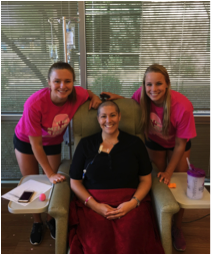
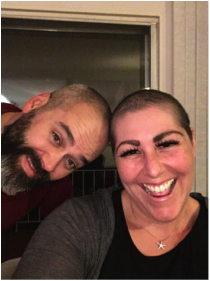
Have you wanted your hair or nails to grow faster and thicker than they naturally do? As my hair grew back after chemotherapy I was extremely impatient. I bought biotin pills to take every day and my hair has actually grown in faster and thicker than before. A picture is worth a thousand words, so here are pictures starting in June 2016 to April 2019 with how much my hair has grown with the help of biotin.





I was reading Dr. Purser’s new book Vitamin Deficiency Symptoms & Cures he wrote with Jared Larkin about the benefits of vitamins. I came across biotin and there are even more benefits than I realized! Here are a few of the new benefits I learned:
Impacts progressive MS
Reduces skin rashes
Relieves muscle cramps
Helps with coronary risk factors and glycemic control
Improves uncombable hair syndrome and neurological disorders syndrome
Slows and prevents hair loss
Strengthens brittle nails
Biotin is an amazing vitamin whether you are wanting your hair to grow faster, or struggle with any of these symptoms mentioned above. Be sure to check out Dr. Purser’s book to learn more!
Keep smiling,
Melissa

Don't Let the Sun Ruin Your Summer Fun!
Discover how to enjoy the beautiful weather this spring and summer while avoiding unnecessary skin damage! Melissa shares simple tips how she plans to soak up the sun this year.
Aloha,
As spring is already here and summer around the corner, I find myself outside more often. The last few years I have been more conscious of protecting my skin during the summer months and applying sunscreen whenever I am outdoors. From when I was younger, I have many freckles (I call them ‘sun kisses’) that are turning a darker brown. Eventually, they could turn into moles which doesn’t surprise me at all after the amount of time I spent in the sun.

I started to think what we can do to prevent more wrinkles, sun blotches, and sunburns while in the sun. I put together a list of things I use before and after a day in the sun:
SPF 15 (or higher) Sunscreen & Reapply Often
Zinc, Aloe Vera, Glutathione
Maui Babe After Browning Lotion
Hat, Sunglasses & Umbrella (for lounging)
Lots of Water
Cold Cloth & Bath
Apple Cider Vinegar
Swim Shirt or Rash Guard (for those who burn easily)
There is no reason we can’t enjoy the sun during the spring and summer, we just need to protect our body. During the day between 10am and 4pm, be sure to always have sunscreen (reapplying frequently), drink lots of water, and wear a hat to avoid unnecessary damage. As you pack your bags for day trips or vacations, remember to include all the essentials to protect your body from the sun (avoiding those nasty sunburns) while soaking up the sun rays this year!
Keep Smiling!
Melissa

How You Can Use Yoga & Stretching to Improve Your Health
Are you looking for a different exercise routine? Yoga has many benefits for your body and mind! Melissa explains how yoga has helped her.
Aloha,
Spring is here and the weather is warming up! People are getting outside and enjoying the beautiful sunshine. Personally, the warmer weather motivates me to exercise more and shake off my winter’s hibernation. But as I exercise more, I experience more aches, pains, and tight muscles. I constantly need to stretch in order to keep my body mobile, flexible, and injury-free. I find yoga and stretching help significantly with my aches and pains from a bulging lumbar and neuropathy in my feet and legs.
Yoga can help in more ways than you can imagine ranging from relieving stress to protecting your spine. Best of all it gives an overall sense of tranquility. I put together a list of fifteen benefits of yoga after reading two great articles from Yoga Journal (link) and Sports Rec (link) websites:
Encourages Flexibility
Increases Range of Motion
Accelerates Pain Relief
Induces Relaxation
Improves Posture
Builds Muscle
Protects Spine
Improves Circulation
Boosts Immunity
Elevates Heart Rate
Lowers Blood Pressure
Improves Balance
Releases Tension
Enhances Sleep Quality
Improves Optimism

All of these benefits make me want to grab my yoga mat and have a quick session! Yoga is such a great way to start your day and taking the time to release the tension will improve your health immensely. Not only is yoga the best way to stretch and keep my body functioning, it also promotes inner peace during difficult times. Practicing yoga can heal you in so many ways!
From each yoga practice, you develop a sense of patience with yourself and body as you see slight improvements. You will notice how well you sleep after going through a stretching session as your body is relieved, realigned, centered, and relaxed. Most times I don’t go through an entire yoga session, but I use the stretches I’ve learned, and it has become part of my routine before bed to relax my body.
Try doing a quick stretch routine before bed and see how well it improves your sleep quality. I’ve included one of my favorite YouTube yoga instructors I can put on anytime (any level, quick sessions, long sessions, etc.). I would love to hear what you do to help relax and improve your body through yoga in the comments below!
Namaste,
Melissa

How Swimming Can Change Your Life
Melissa shares how swimming has not only changed her life, but the lives of her family members. Learn how swimming can help you feel better and healthier!
Aloha,
One of the most important parts of my healthy lifestyle choices I owe all to my mom. She was a high school swim coach and put me in the water when I was only two weeks old. However, my mom’s example goes far beyond just teaching me to swim.
My grandma suffered from strokes and had a hard time walking. I can remember my mom and aunts would take my grandma to the pool to re-teach her to walk. It helped with her coordination, balance, and posture. They would walk up and down the pool which showed me how water buoyancy not only benefits our health at any age, but also how it can be used to heal various injuries.

Suffering from neuropathy after chemotherapy has been one of my biggest physical struggles. The pain of walking along with stiff muscles, I used the same low-impact workout my grandma as I would swim or walk in the water. From the water buoyancy, the gravity on your bones and muscles are reduced creating less pressure on your body’s injuries and a stress-free workout to relieve pain.
What are the other benefits of swimming?
Elevates heart rate up but relieves impact stress on your body
Builds endurance, muscle strength and cardiovascular fitness
Helps maintain a healthy weight, healthy heart, and lungs
Tones muscles and builds strength
Provides an all-over body workout since majority of muscles are used
Induces a relaxing and peaceful form of exercise
Alleviates stress
Improves coordination, balance, posture, and flexibility
Provides good low-impact therapy for some injuries and conditions
While swimming, your entire body is getting a great workout. Unlike other cardio workouts, swimming use both upper and lower body muscles at the same time. According to a Time article:
“Your body is working hard when you’re in the pool. Water is denser than air, so moving through water puts more external pressure on your limbs than out-of-water training, studies have shown. Even better, that pressure is uniformly distributed. It doesn’t collect in your knees, hips or the other places that bear most of the burden when you exercise with gravity sitting on your shoulders.” (Heid, 2017)
My mom would tell me how she swam every day during her pregnancy with me since it is the best low-impact workout during pregnancy. She always said swimming was what made childbirth and recovery so much easier while making her muscles healthy and strong.
If you don’t feel like you are a strong swimmer, remember to relax and be patient. Practice makes perfect and remember you can always walk or join a water aerobics class. There are many ways to incorporate this great exercise into your lifestyle. Start small and work your way up, you won’t be disappointed with the workout you can get and how amazing you will feel! It's my way to rejuvenate, heal, and get a killer workout!
Keep Smiling,
Melissa

Could Melatonin Help You Sleep Better and Longer?
Is falling asleep a constant battle each night? Do you wake up feeling not completely rested? It may be time to explore natural options to help your body get the rest it needs throughout the night!
Aloha,
Do you have problems falling asleep or staying asleep throughout the night? Did you know our body naturally produces a hormone called melatonin from our pineal gland? This hormone is what helps us sleep every night. Recently, I read a couple articles on the cycle of sleeping and waking. The first article comes from the National Sleep Foundation and they found:
“A key factor in how human sleep is regulated is exposure to light or to darkness. Exposure to light stimulates a nerve pathway from the retina in the eye to an area in the brain called the hypothalamus. There, a special center called the suprachiasmatic nucleus (SCN) initiates signals to other parts of the brain that control hormones, body temperature and other functions that play a role in making us feel sleepy or wide awake.”
They explain around 9pm our bodies start to release melatonin into our bloodstream making us tired. Interestingly, this is generally the time I tend to start getting ready for bed. I highly recommend trying this natural hormone supplement to see if it will fit in your daily program. Sleep is an extremely important part of living a healthy lifestyle according to the US Department of Health and Human Services NIH (National Heart, Lung and Blood Institute):
“Sleep plays a vital role in good health and well-being throughout your life. Getting enough quality sleep at the right times can help protect your mental health, physical health, quality of life, and safety.”
What if our natural melatonin doesn’t function as it should? I am sure you have seen melatonin down the vitamin aisle at stores. What is the appropriate dosage to take? The right dosage will be different for everyone and may take a few attempts to experiment at different levels. However, finding that dosage amount and what time to take melatonin (how much sleep you need for it to wear off) is extremely important.
I discussed with friends their experiences with melatonin, one friend explained 5mg works great while others need 20mg or more. Everybody is different with how much melatonin is released within your body and how much extra you need to supplement to ensure a good night’s rest. Understanding your needs for melatonin can help you fall asleep faster and stay asleep longer.
Keep Smiling,
Melissa

Finding Natural Remedies
This week Melissa covers natural remedies used for common health problems. Learn how you can stay healthy naturally!
Aloha,
I am amazed by the various natural remedies available to help with countless health problems. The knowledge passed down from generation-to-generation of the power of plants and essential oils is incredible. Many still use these forms of treatment to alleviate health symptoms today along with modern medicine.
I thought it would be great to discover a few of the natural remedies we can use for several symptoms:
Aloe Vera - This natural remedy plant is found everywhere, especially by beaches (conveniently used for sunburns). The gel not only helps with skin irritations, but helps the digestive tract and improves liver, kidney, and gallbladder functions while maintaining healthy tissue.
Apple Cider Vinegar - Have you heard of anyone making a drink or apple cider vinegar in the morning? This can help with weight loss by flushing out toxins, reducing cholesterol, lowering blood sugar levels, and preventing infections.
B-Complex - Vitamin B complex helps with energy levels, cell metabolism, brain function, digestion, muscle tone, healthy appetite, and cardiovascular health.
Bee Pollen – Not only is bee pollen an immune system builder, it is a protein rich in amino acids, vitamins, minerals and enzymes. It can help improve alertness and concentration.
Cayenne - This hot pepper boosts metabolism, reduces hunger, lowers blood pressure, helps digestive tract, and benefits circulatory system.
Chamomile – Historically, chamomile was used for scent and the Egyptians used it to help with fevers. This tea is still used for eczema (or itchy skin), stress, sleep, digestion, immune system, hair, and heart.
Cinnamon Essential Oil - Not only does it smell amazing, it has its own health benefits such as improving respiratory issues, cleansing the body, and assisting with blood circulation, urinary, immune, and metabolic functions.
Cranberry - Cranberry juice can help urinary tract infections as it kills bacteria in the bladder walls and urinary tract. It can also help prevent kidney stones, if used regularly.
Fish Oil - Contains Omega-3 which helps with inflammation and heart disease.
Lavender Essential Oil – Personally, I love using lavender oil for stress, but it can also help with sleep and skin imperfections.
Lemon Essential Oil - Lemons can improve good mood and improve digestive tract.
Peppermint Essential Oil – It is commonly used in gum, toothpaste, mints, and mouthwash because of its antiseptic properties to help with bad breath. It can also help with stomach pains, nausea, and headaches.
Rosemary - Is an herb used for centuries as a fragrance and to fight viruses and bacteria.
Thyme - Can be used to improve digestive tract, respiratory infections, sore throats and coughs.
Wintergreen Essential Oil - A scent you can find at spas for its natural methyl remedy added to medications and balms to alleviate joint pains and sore muscles. This oil produces a soothing, warm sensation when applied.
This is a small list of natural remedies that can improve your health without other medications. We can follow the ways of our ancestors to heal some of our health issues. Be sure to visit with your primary physician regarding other options available. It’s your choice what you put in your body to cure illnesses. I would love to hear of any other remedies you have used in the comments below!
Stay healthy and keep smiling,
Melissa